

There’s nothing worse than pulling out your favorite sweater only to find a mysterious new hole. Or spotting tiny bugs on clothes in your closet and feeling that instant panic. What are they? And more importantly, how do you get them out for good? Dealing with closet bugs is more than just swatting the occasional moth. To truly protect your wardrobe, you need a solid plan. We’ll show you exactly how to handle common pests and even how to get rid of silverfish in your closet, ensuring your clothes stay pristine and bug-free.
You can rid your custom closets of pests with the following five tips:
- Get familiar with common closet pests in your area so they don’t surprise you
- Wipe out “hot spots” and habitats by deep-cleaning your closets
- Organize your clothes into different categories depending on quality and condition
- Use pest control methods like pre-made repellents or home remedies
- Make a plan to keep pests from invading your closets in the future
In this article, you will learn more about how each of the above tips will assist you in preventing pests from visiting your beloved closets. Let’s get started!  Consult with an expert
What Kind of Bugs Are In My Closet?
Successful pest control begins with identification. Two common culprits found in closets are moths and silverfish. Swiftly addressing these pests is crucial to prevent significant damage.
It’s the Larvae, Not the Adults
It’s a common misconception, but the adult moths or beetles you might see fluttering around your room aren’t the ones munching on your favorite sweater. The real culprits are their offspring: the larvae. Once hatched, these tiny worms have a voracious appetite for keratin, a natural protein found in animal-based fibers. This means your most cherished items—like wool coats, silk blouses, leather goods, and cashmere scarves—are their primary food source. Understanding that the damage happens at this early stage is the first step in protecting the valuable clothing you store in your walk-in closets and wardrobes. The adult insects are simply there to reproduce and start the cycle all over again.
Common Signs of an Infestation
Catching a pest problem early can save you a lot of heartache and protect your wardrobe from significant harm. The most obvious red flag is visible damage to your clothing. You won’t find clean-cut holes; instead, look for small, irregular holes, thinning patches, or grazed areas on the surface of the fabric. These pests prefer to hide in dark, undisturbed places, so you’ll often find this damage on items that have been stored for a while. Regularly inspecting the clothes in your closet storage systems, especially those you don’t wear often, is key to spotting an issue before it gets out of hand. Pay close attention to the hidden areas of garments, like under the collars and in the seams.
Shed Skins and Silky Webbing
As larvae grow, they molt and shed their skins, leaving behind tiny, translucent casings. You might find these casings on your clothes, on the floor of your closet, or tucked away in corners and on closet shelving. Some moth larvae also spin silky webbing, which can look like small, delicate tunnels or patches on your garments. This webbing often contains their droppings, which resemble fine grains of sand. Finding either of these signs is a clear indicator that larvae are present and actively feeding in your closet space.
Tiny Eggs on Your Clothing
Another telltale sign of an active infestation is finding tiny eggs on your clothing. Adult moths and beetles lay their eggs directly on their food source to give their larvae immediate access to nourishment upon hatching. These eggs are incredibly small and often laid in clusters, making them difficult to spot. They are typically found in discreet locations like the seams of a jacket, the folds of a sweater, or deep within the fibers of a rug. If you spot anything that looks like tiny, pale-colored specks, it’s worth taking a closer look, as you may have found a pest nursery in your closet drawers.
Are Clothes Moths Eating Your Sweaters?
According to Rutgers University University Publication, you can identify clothes moths by their tiny, white appearance. Adult moths have shiny, golden scales and can’t fly well.
They munch on materials like cotton, silk, wool, and leather. Sometimes you’ll spot a silky, thread-like residue around damaged areas.
What to Look For: Moths and Their Damage
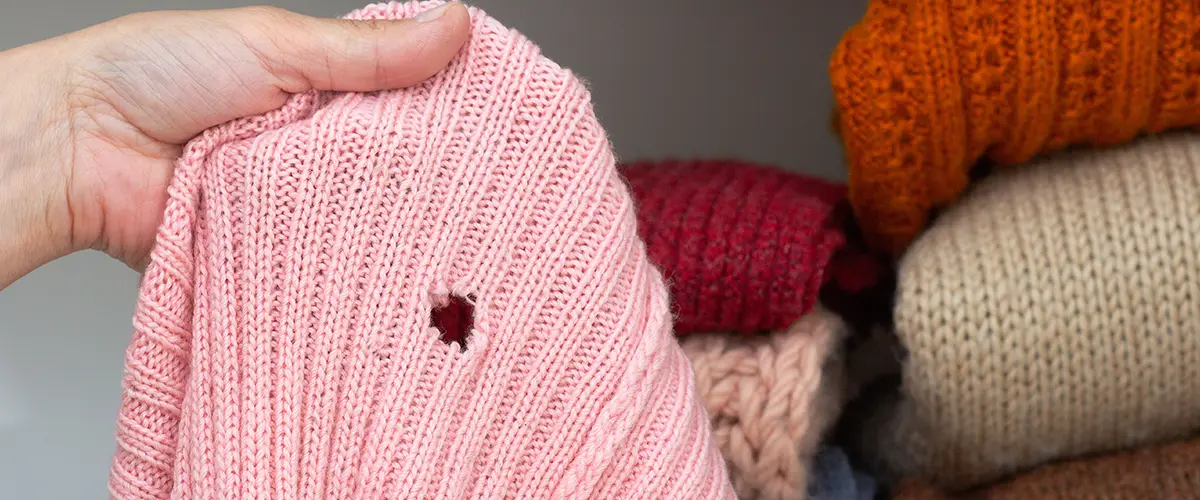
It’s a common mistake to blame the adult moths you see fluttering around for the holes in your favorite sweater, but the real culprits are their larvae. These tiny, caterpillar-like creatures are the ones doing the munching. They have a taste for natural fibers, so your wool, silk, cotton, and leather items are all on the menu. The most obvious sign of their presence is finding small, irregular holes in your garments.
You might also notice silky webbing or casings left behind in the corners of your closet drawers or on the clothes themselves, which are clear signs of an infestation. According to pest control experts at Terminix, you should also keep an eye out for other clues. You might find tiny, rice-like eggs or shed skins in your closet, indicating that moths have settled in.
Because they thrive in dark, undisturbed areas, it’s a good idea to periodically check the corners of your closet, especially on higher closet shelving where seasonal items are stored. Catching these signs early is key to stopping a small problem from turning into a major headache and protecting your wardrobe.
How to Keep Moths Out for Good
Preventing moths from invading your closets takes a proactive approach.
- Keep closets clean and well-organized
- Regularly launder or dry-clean clothes to prevent moth attraction
- Consider storing off-season clothes in airtight containers
- Use mothballs or cedar chips to deter moths
- Handle mothballs with care due to their toxicity
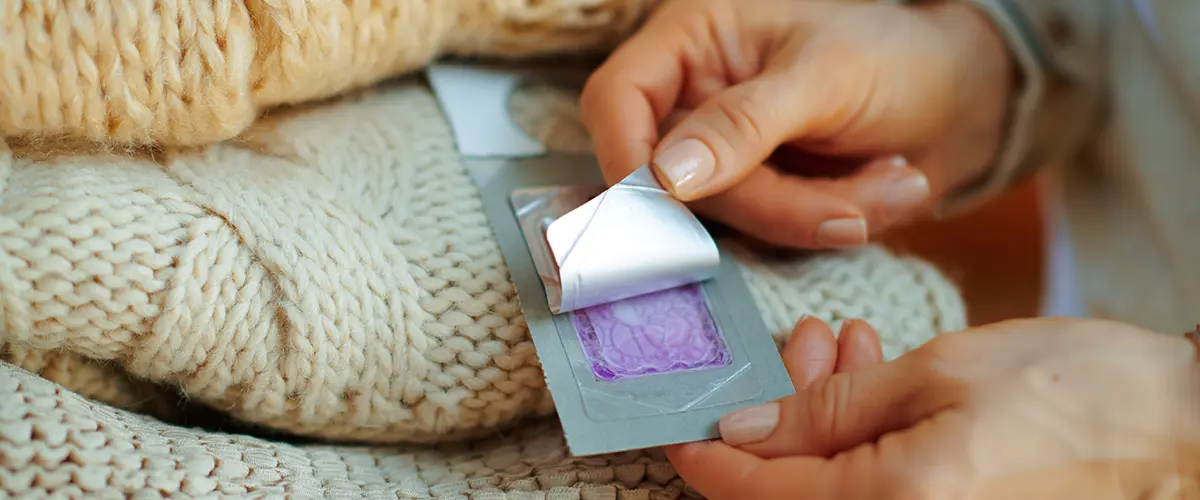
- Utilize pest control products like moth traps
- Maintain a well-ventilated closet
- Regularly inspect closets for signs of moth damage
Remember, prevention is always better than cure when it comes to dealing with moths in your closets. 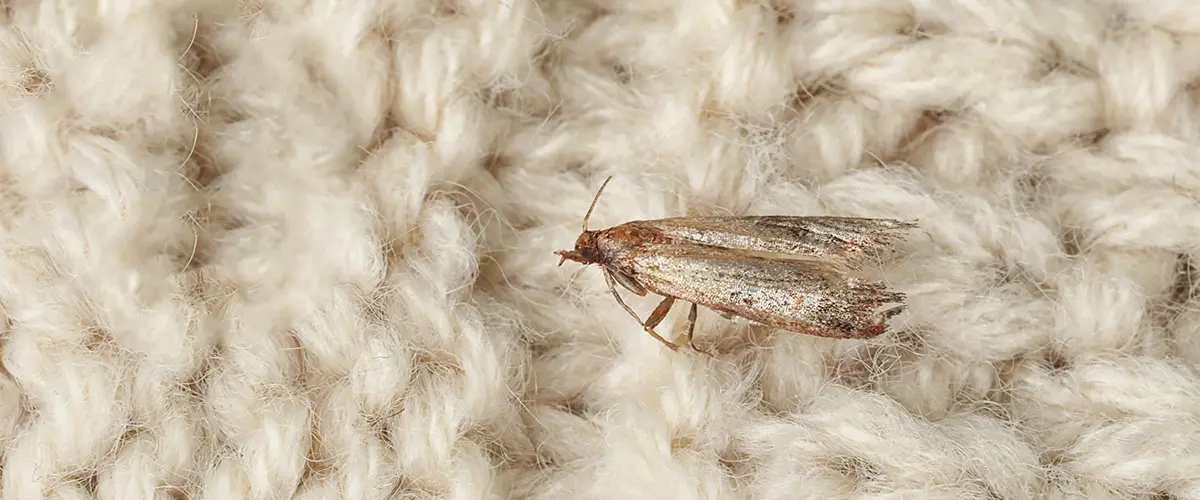
What Are Those Wriggly Silver Bugs?
Silverfish are teardrop-shaped, silvery bugs with a flattened body and antennae. They’re carnivorous, preferring clothes, paper, and (unlike clothes moths) food.
Pestworld notes that silverfish also create holes in fabrics they feed on and sometimes leave indications of their presence with black, pepper-like droppings.
How to Get Rid of Silverfish in Your Closet
Here’s how you can reclaim your closet from these uninvited guests:
- Maintain a Dry Environment: Silverfish are attracted to moisture. Use a dehumidifier to keep your closet dry and less appealing to silverfish.
- Clear the Clutter: Silverfish love hiding in piles of unused clothes or papers. Regularly decluttering your closet can reduce their hiding spots and discourage their presence.
- Use Cedar: Silverfish dislike the scent of cedar. Hanging cedar blocks or using cedar hangers can be an effective deterrent.
- Apply Diatomaceous Earth: This natural powder is a non-toxic insecticide that can be safely sprinkled in the corners of your closet, killing silverfish on contact.
- Professional Pest Control: If the infestation persists, consider calling in professional pest control services. They have the expertise and tools to safely and effectively eliminate silverfish from your closet.
Remember, preventive measures are the best way to keep silverfish at bay. Regularly clean, declutter, and monitor your closet to prevent a future infestation.
More Bugs to Watch For in Washington Closets
Keeping your closets pest-free goes beyond merely dealing with moths and silverfish. In Washington, several other pests may try to invade your personal spaces. Let’s identify these unwelcome guests and discuss how you can deter them.
Related: Built-in closet systems
The Sneaky Carpet Beetle
Carpet beetles are tiny, round insects that come in various colors. According to the Washington State University Extension, they consume natural fibers and can cause significant damage to your clothes, especially those made of wool or silk.
How to Spot Carpet Beetles and Their Larvae
Knowing what to look for is the first step in protecting your favorite sweaters and fabrics from carpet beetles. These pests are common in Washington homes, and their larvae are responsible for the damage. According to the Washington State University Extension, the larvae feed on natural fibers, making your wool, silk, and leather items a prime target.
When you’re inspecting your closets, keep an eye out for these tell-tale signs:
- Adult Beetles: You might spot the adult beetles first. They are very small, oval-shaped insects, often black or mottled with brown and white patterns. They are attracted to light, so you might find them near windows or on light-colored surfaces inside your closet.
- Larvae: The real culprits are the larvae. They look like tiny, hairy caterpillars and are usually tan or brownish. You’ll find them in dark, quiet places where they can feed undisturbed, like in the folds of clothing, under collars, or along the seams of garments stored in your closet drawers.
- Signs of Damage: Look for irregular holes eaten into your clothes. Unlike the single, small holes left by moths, carpet beetle damage often appears as larger, grazed areas. You may also find their brittle, shed skins left behind as they grow.
Catching these signs early allows you to act quickly and prevent a small problem from turning into a major infestation. Regular checks are key to keeping your beautiful wardrobe safe.
Simple Steps to Prevent Carpet Beetles
- Regularly vacuum your closet floor and shelves
- Ensure dry cleaning or laundering of clothes before storage
- Store off-season clothes in sealed plastic bags or containers
- Regularly inspect your closet for any signs of infestation
- Consider professional pest control if the infestation persists
Why Cockroaches Love Your Closet
Cockroaches are common pests that can infiltrate any part of the home, including closets. They are attracted to damp, dark spaces and can cause allergic reactions in some people.
Making Your Closet a No-Roach Zone
- Keep your closet clean and free from clutter
- Ensure the area is dry and well ventilated
- Seal any cracks or openings in the closet walls or floor
- Use cockroach traps or baits
- Seek professional help if the infestation becomes overwhelming
Remember, maintaining a clean and well-organized closet is the most effective way to prevent a pest infestation. Regular inspections and timely action can ensure your closets stay in top-notch condition, preserving the beauty and integrity of your clothes. Consult with an expert
Other Fabric-Damaging Pests
Beyond the usual suspects, a few other critters might be making a meal out of your wardrobe. Recognizing them is the first step to protecting your clothes and your peace of mind. While less common than moths or carpet beetles, pests like crickets, termites, and firebrats can still find their way into your home and cause unexpected damage to your favorite garments. Understanding what these pests are and what they’re looking for can help you create a more secure and protected storage space for your belongings, ensuring your custom closet remains a sanctuary for your clothes, not a snack bar for insects.
Crickets
You might associate the sound of crickets with a peaceful summer evening, but finding them in your closet is anything but relaxing. Crickets can wander into your home seeking shelter and food, and they aren’t particularly picky eaters. They are drawn to various organic materials, and that unfortunately includes the fabrics in your clothing. If you find unexplained holes in your garments, especially those made of cotton or linen, a cricket could be the culprit. Keeping your closet clean and sealing any potential entry points from the outside can help ensure these noisy insects stay outdoors where they belong.
Termites
Termites are famous for their destructive appetite for wood, but their diet isn’t exclusively limited to your home’s foundation. These pests consume cellulose, a component found not only in wood but also in plant-based fabrics like cotton and rayon. While they are less likely to seek out your closet specifically for your clothes, a nearby infestation can easily spread. A well-designed closet system built from quality materials can help, but it’s crucial to address any signs of termites in your home immediately to prevent them from damaging both your home’s structure and its contents.
Firebrats
If you’ve ever seen a silverfish, you have a good idea of what its relative, the firebrat, looks like. These small, wingless insects are similar in shape but have a more mottled, brownish appearance. As their name suggests, firebrats are attracted to high temperatures and humidity, making them feel right at home in warm, dark closets. Like silverfish, they feed on a variety of materials, including starches, glues in bookbindings, and, of course, fabrics. Reducing humidity and eliminating clutter are key strategies to make your closet an uninviting environment for these heat-seeking pests.
What Attracts Pests to Your Closet?
Understanding why pests are drawn to your closet in the first place is fundamental to keeping them out for good. It’s not just bad luck; specific conditions and materials in your closet create an open invitation for these unwanted guests. From the types of fabrics you store to the condition of the clothes themselves, your closet can quickly become a perfect habitat. By identifying and managing these attractants, you can turn your closet from a pest paradise into a protected, organized space. Let’s look at what makes your wardrobe so appealing to bugs and how they manage to get inside.
Related: Closet organization ideas
A Buffet of Natural Fibers
Many fabric-damaging pests have a taste for the finer things in life—specifically, natural animal fibers. Materials like wool, silk, cashmere, and fur are prime targets because they contain keratin, a fibrous protein that these insects can digest. Synthetic fibers such as polyester and nylon are generally safe, as they don’t offer any nutritional value to pests. However, if synthetic blends are stained with food or body oils, they can still become a target. Prioritizing proper closet storage for your most valuable natural-fiber garments is a key step in protecting them from damage.
The Role of Keratin in Wool, Silk, and Fur
So, what makes that wool sweater so much more appetizing to a clothes moth than a polyester shirt? The secret ingredient is keratin. This is the same protein that makes up our hair and fingernails, and for the larvae of clothes moths and carpet beetles, it’s a primary food source. These pests have evolved specialized digestive systems capable of breaking down this tough protein, which is why they specifically target animal-based textiles. Unfortunately, this means your most luxurious and often most expensive items are the most vulnerable to being turned into a meal.
Why Dirty Clothes Are a Magnet for Pests
Putting clothes away without washing them first is like setting out a welcome mat for pests. Even if a garment is made from synthetic material, stains from food, sweat, and body oils can provide the nutrients insects need. These residues make your clothing significantly more attractive to a wide range of pests, including moths, beetles, and even cockroaches. Always wash or dry-clean your clothes before storing them, especially items you won’t be wearing for a while. A clean wardrobe is one of your strongest defenses against a potential infestation.
How Pests Find Their Way In
Even the most pristine closet isn’t immune to pests if they can find a way inside. Insects are resourceful and can enter your home and storage spaces through a surprising number of routes. They might slip through tiny cracks, travel from other areas of your house, or even be carried in unknowingly by you or your pets. Sealing off entry points and being mindful of what you bring into your home are crucial for maintaining a pest-free environment. Knowing their common travel routes can help you cut them off before they ever reach your wardrobe.
From the Attic to Your Wardrobe
Pests often seek out dark, quiet, and undisturbed areas to live and breed, which makes spaces like attics, basements, and wall voids ideal habitats. From these hidden spots, it’s a short journey to your closet. They can travel through cracks in walls, gaps around light fixtures, or openings for plumbing and wiring. Regularly inspecting and sealing these potential pathways can help isolate your living spaces from these common pest hideouts. A well-constructed walk-in closet can also help by providing fewer gaps and crevices for pests to travel through.
Hitching a Ride on Pets and People
Sometimes, pests don’t have to find their way in—we bring them in ourselves. Insects can easily hitch a ride on clothing, luggage, furniture, and even on your pets after they’ve been outside. Secondhand items, in particular, should be carefully inspected and cleaned before being introduced into your home. When traveling, check your luggage for any signs of pests like bed bugs before bringing it inside. A little bit of vigilance can prevent a small hitchhiker from turning into a full-blown infestation in your closet.
Step 1: Declutter and Organize Your Wardrobe
Once you’ve confirmed the problem, prep your closets for cleaning. You’ll need trash bags you can seal. Sort your clothes into three categories:
| Beyond Repair | Salvageable – Machine-Wash | Salvageable – Dry Clean Only |
|---|---|---|
| The fabric is too damaged to repair yourself | You can repair these items after a machine-wash cycle | You can repair but only dry clean the item |
- Immediately toss Beyond Repair items into a sealed trash bag.
- Sort your other clothes into the Machine-Wash and Dry Clean Only categories. Prep them in sealed trash bags until you’re ready to do laundry.
- Wash items in the washing machine in the hottest water permitted, according to their care labels.
- Bring your other items to the dry cleaners. The heat will kill the remaining pests.
- If unable to use heat, wrap salvageable items in a sealed plastic bag and store in the freezer for one day. Sub-zero temperatures also kill larvae.
- Shake your clothes free of any potential pests when finished, set them aside, and get ready to deep clean your closets.
Step 2: Deep Clean and Eliminate Pest Hideouts
Understanding how common pests live and thrive helps you pinpoint their presence.
Clothes moths aren’t attracted to light. You can find them nestled under shirt collars, a common hiding spot.
Silverfish prefer humid and damp areas, as explained previously by Pestworld.org. Like clothes moths, they’re nocturnal, and avoid warmth and light.
To get rid of these squatters for good, make sure you vacuum your custom closets. Don’t neglect tough-to-reach areas like corners and crevices.
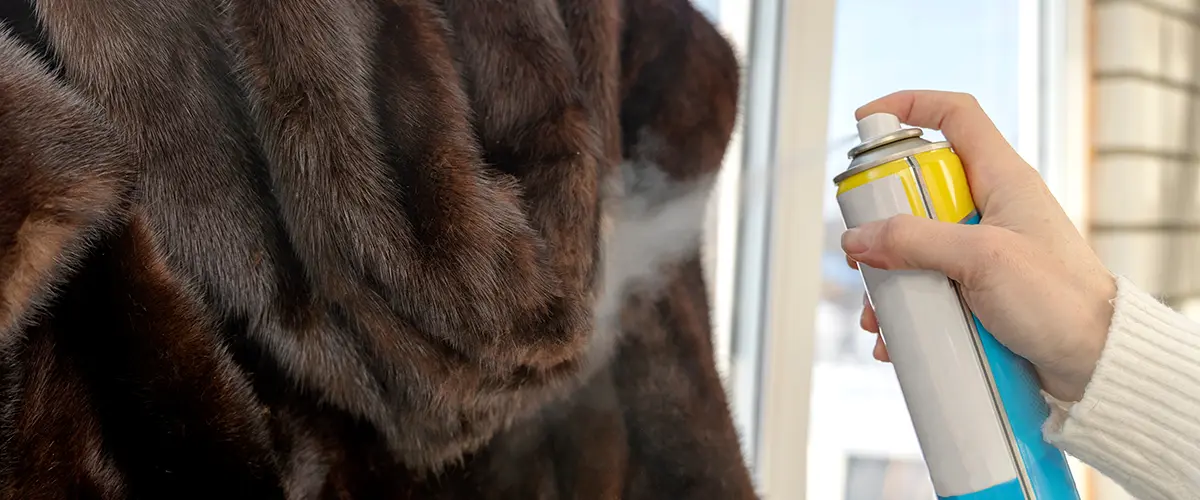
Follow your vacuum job with a pest-repellent spray before storing any clean clothing.
Use Temperature to Your Advantage
After sorting your clothes, you can use extreme temperatures to handle any pests or eggs left behind. This is a highly effective way to treat your entire wardrobe without relying on harsh chemicals. For durable items, high heat from your washer and dryer is your best friend, while for more delicate pieces that can’t take the heat, a deep freeze will do the trick. Both methods are designed to target the entire life cycle of common closet pests, from nearly invisible eggs to destructive larvae and adults. By taking this extra step, you can be confident that your clothes are completely pest-free before you return them to your pristine, clean closet.
The Hot Water and High Heat Method
For your machine-washable items, it’s time to turn up the heat. Washing your clothes in hot water—at least 120°F—and then drying them on a high heat setting is a proven way to kill any lingering pests and their eggs. This method works wonders on sturdy fabrics like cotton, denim, and synthetics that can handle the temperature. Before you start, it’s always a good idea to double-check the care labels on your garments to prevent any accidental shrinking or damage. This simple step ensures your clothes come out not only pest-free but also in perfect condition, ready to be stored in your beautifully organized space.
Freezing Pests Out of Delicate Garments
Some of your favorite pieces, like wool sweaters or silk blouses, simply can’t handle a hot water cycle. For these delicate items, your freezer is the perfect secret weapon. According to experts at the University of Minnesota Extension, placing clothing in a sealed plastic bag and leaving it in the freezer for at least 72 hours is an effective way to kill pests. This extended exposure to freezing temperatures is just as lethal to bugs and their larvae but is completely gentle on fragile fabrics. It’s a safe and reliable alternative that you can do right at home, protecting your most valuable garments from both pests and heat damage.
Don’t Forget to Clean Your Vacuum
Once you’ve thoroughly vacuumed every nook and cranny of your closet, your job isn’t quite done. Pests like carpet beetles love to hide in tight spots, so it’s very likely you’ve sucked up some eggs and larvae along with the dust. To prevent them from hatching inside your vacuum and causing a re-infestation, you need to clean the machine itself. Immediately after you finish, take the vacuum outside, empty the canister into a sealed bag, and dispose of it in your outdoor trash bin. If your vacuum uses bags, remove the bag, seal it, and throw it away. This final step is critical for ensuring the pests you just removed are gone for good, keeping your closet systems truly clean and protected.
Step 3: Add Pest Control to Your Cleaning Routine
Investing in a custom closet helps protect your items from household pests. You can choose between pre-made repellents or try making your own.
Many stores offer generic mothballs and pest repellent value packs, but it’s important to check their ingredients and ensure they are natural, non-toxic, and fabric-safe for your wardrobe items.
Pro-tip: Before making a trip to the store, bring an old garment you want to discard and test potential repellents on its fabric.
If you prefer a DIY approach, consider buying cedarwood hangers as they naturally repel moths. You can also create your own natural repellent at home using herbs like lavender and rosemary. Simply place these herbs in a sachet bag, add a few drops of cedar or lavender oil, and hang them on your hangers.
Step 4: Create a Long-Term Prevention Plan
The best way to combat a pest problem is through preventative care. Set your household up for success by adding some of the following steps to your weekly routine:
- Wash any new clothes you bring into your home before storing them. You’ll weed out pests looking for food residue.
- Reduce clutter by using airtight bins. Even in a spacious custom closet, you’re bound to have a few crowded spaces. Store your seasonal items so they don’t become targets for pests.
- Deep clean weekly. Wipe down your closet walls and baseboards and vacuum every inch to clear out dust and dirt.
how to get rid of closet bugs FAQs
What kills closet bugs?
Closet bugs can be effectively killed using a combination of methods such as regular cleaning and vacuuming, use of suitable pest control treatments like sprays and traps, and maintaining a dry and well-ventilated environment.
For serious infestations, professional pest control services should be considered. These methods together help eliminate closet bugs and prevent future infestation.
What kills fabric bugs?
Fabric bugs can be eliminated by thorough cleaning of infested items in hot water, use of effective pest sprays and traps, and maintaining a clutter-free environment.
Professional pest management services might be required for severe infestations. It’s important to follow proper preventative measures to avoid future infestations.
What attracts closet moths?
Closet moths are primarily attracted to natural fibers like wool, silk, cashmere, and fur, which provide the necessary nutrients for their larvae.
They are also drawn to dark, quiet, and undisturbed areas where they can lay their eggs. Furthermore, closet moths are lured by dirt, sweat, or food particles left on clothing. Regular cleaning and maintenance of closets can help keep these pests at bay.
What can I put on my clothes to keep bugs away?
You can use natural repellents such as lavender, cedarwood, or mothballs to deter bugs from your clothes. Additionally, consider applying insect repellent sprays specifically designed for fabrics.
Always ensure that the product is non-toxic and safe for your particular type of clothing. Regular cleaning and maintenance of your clothes and closet space also play a crucial role in keeping bugs away.
Closet bugs can be effectively killed using a combination of methods such as regular cleaning and vacuuming, use of suitable pest control treatments like sprays and traps, and maintaining a dry and well-ventilated environment.
For serious infestations, professional pest control services should be considered. These methods together help eliminate closet bugs and prevent future infestation.
Fabric bugs can be eliminated by thorough cleaning of infested items in hot water, use of effective pest sprays and traps, and maintaining a clutter-free environment.
Professional pest management services might be required for severe infestations. It’s important to follow proper preventative measures to avoid future infestations.
Closet moths are primarily attracted to natural fibers like wool, silk, cashmere, and fur, which provide the necessary nutrients for their larvae.
They are also drawn to dark, quiet, and undisturbed areas where they can lay their eggs. Furthermore, closet moths are lured by dirt, sweat, or food particles left on clothing. Regular cleaning and maintenance of closets can help keep these pests at bay.
You can use natural repellents such as lavender, cedarwood, or mothballs to deter bugs from your clothes. Additionally, consider applying insect repellent sprays specifically designed for fabrics.
Always ensure that the product is non-toxic and safe for your particular type of clothing. Regular cleaning and maintenance of your clothes and closet space also play a crucial role in keeping bugs away.
### Implement Smart Storage Strategies The way you store your belongings can either invite pests in or keep them out for good. A well-organized closet is your first line of defense, but the containers you use are just as important. Moving away from materials that pests love and protecting your most valuable items with the right coverings can make a huge difference. Smart closet storage isn’t just about looking tidy; it’s about creating a secure environment for your wardrobe. By making a few key changes to your storage methods, you can significantly reduce the risk of finding unwelcome critters among your favorite clothes. #### Airtight Bins vs. Cardboard Boxes If you’re using cardboard boxes to store seasonal clothing or keepsakes, it’s time for an upgrade. Pests like silverfish are attracted to cardboard, and in a humid climate like we have here in Washington, those boxes can become damp, creating a perfect home for bugs. Instead, switch to plastic bins with tight-fitting lids. These create a physical barrier that pests can’t easily penetrate. Airtight containers protect your items not only from insects but also from moisture and dust, keeping everything inside fresh and clean until you need it again. This simple swap is one of the most effective ways to safeguard your belongings. #### Protect Special Items with Breathable Garment Bags For special occasion outfits, delicate fabrics, or expensive suits, a breathable garment bag is a must. It might be tempting to leave them in the plastic bags from the dry cleaner, but those can trap moisture, which can lead to mildew and attract pests. Breathable bags, on the other hand, shield your clothes from dust and insects while still allowing air to circulate, preventing moisture buildup and keeping the fabric in top condition. This is especially important for natural fibers like wool, silk, and leather, which are a favorite snack for many closet pests. Investing in quality garment bags ensures your cherished items are ready to wear when you need them. ### Make Your Closet Environment Uninviting Pests thrive in dark, quiet, and humid environments, which perfectly describes many closets. To make your space less hospitable, you need to disrupt these conditions. By introducing more light, improving air circulation, and controlling moisture levels, you can create an environment where pests simply don’t want to live. These changes don’t require a major overhaul; they’re simple adjustments to your routine that can have a big impact on keeping your walk-in or reach-in closets pest-free. It’s all about making the space feel less like a secluded hideout and more like an active part of your home. #### Let in Light and Air One of the easiest ways to deter pests like moths is to let in some light. Moths prefer dark, undisturbed corners, so simply opening your closet doors for a while each day can make the space less appealing to them. Regularly rotating your clothes also helps. When you move items around, you disturb any pests that might be trying to settle in. This doesn’t have to be a major chore; just shuffling through your hangers or moving a stack of sweaters can be enough to signal that the area is not a safe place for them to lay eggs. #### Reduce Humidity Bugs are drawn to moisture, and closets can often become damp, especially if they lack good ventilation. This is a common issue in the Pacific Northwest, where the air can be quite humid. Using a dehumidifier in or near your closet can pull excess moisture from the air, making the environment much less attractive to pests like silverfish and cockroaches. You can also use desiccant packs, like silica gel, inside storage bins or on shelves to absorb moisture in smaller, enclosed spaces. Keeping your closet dry is a critical step in long-term pest prevention. ### Use Sticky Traps for Early Detection Even with the best prevention methods, it’s smart to have an early warning system in place. Sticky traps, also known as glue traps, are an excellent tool for monitoring your closets for pest activity. According to entomologists at the University of Kentucky, placing these traps in discreet spots—like on the floor in the back of your closet or on a high shelf—can help you catch an infestation before it becomes a serious problem. Some traps are baited with pheromones to attract specific insects like clothes moths, while others are unscented. Check them regularly to see if you’ve caught anything, giving you a chance to act quickly if you spot trouble.
A Word of Caution on Common Pest Repellents
When you discover pests, it’s natural to want to reach for the quickest solution. Many people turn to common repellents like cedar, essential oils, or mothballs, hoping for an easy fix. However, not all of these methods are as effective or safe as you might think. Some popular remedies offer a false sense of security, while others can pose health risks to your family and pets if not used correctly. Before you start placing repellents around your home, it’s important to understand their limitations and potential dangers. A well-informed approach will always be more effective and safer than relying on old wives’ tales or harsh chemicals without proper knowledge.
The goal is to create a long-term solution, not just a temporary fix. Relying solely on repellents without addressing the root cause—like cleaning habits or storage methods—means the pests will likely return. Combining a clean, organized environment with a cautious and informed use of repellents is the most sustainable way to protect your wardrobe. Let’s look at some of the most common repellents and what you really need to know before using them in your home.
### The Limitations of Cedar Cedar has long been hailed as a natural moth repellent, and many people invest in cedar blocks, hangers, or even cedar-lined closets. While the aromatic oils in cedar can deter some pests, its effectiveness is often overstated. For cedar to work, the concentration of the oils needs to be very high, which is difficult to achieve in a standard closet that isn’t perfectly sealed. Over time, the oils dissipate, and the cedar loses its repellent properties unless it’s regularly sanded to expose a fresh layer. Think of cedar as a helpful deterrent, but don’t rely on it as your sole method of pest control. It should be part of a larger strategy that includes cleanliness and proper storage. ### Are Herbs and Essential Oils Effective? Using sachets of lavender, rosemary, or drops of essential oils is another popular natural approach to pest control. While these can certainly make your closet smell wonderful, their ability to repel insects is often minimal and short-lived. As noted by pest control experts, these natural remedies typically don’t work well enough to stop a determined pest and can sometimes even attract other types of bugs. They might offer a slight deterrent, but they are not a reliable solution for preventing or eliminating an infestation. Focusing on cleaning and creating an inhospitable environment for pests will give you much better and more lasting results than relying on pleasant scents alone. ### Safety First: Using Mothballs and Insecticides When dealing with a persistent pest problem, you might be tempted to use stronger chemical solutions like mothballs or insecticides. However, these products come with significant health warnings and must be handled with extreme care. Mothballs contain pesticides that release a toxic vapor, which can be harmful to people and pets if inhaled over time. They are meant to be used in airtight containers where the vapors can build up to a concentration that is lethal to insects, not just placed openly on a shelf. Always read and follow the manufacturer’s instructions precisely, and consider less toxic alternatives first. #### Never Spray Insecticides Directly on Clothing It is absolutely critical to remember that you should never spray insecticides directly onto your clothing, bedding, or any other fabrics that will come into contact with your skin. These chemicals are not designed for that purpose and can be absorbed by the body, posing serious health risks. If you choose to use a spray insecticide for cracks and crevices in your closet, make sure you remove all of your clothing and other items first. Allow the area to ventilate completely before putting anything back. Your primary focus should always be on cleaning the items themselves with heat or cold, not treating them with chemicals.
When to Call a Custom Closet Expert
Get in touch with us at Creative Closets at (425) 428-5073. We’re passionate about creating top custom closets that solve your storage needs while keeping pests at bay.
Key Takeaways
- Cleanliness is your first defense: Pests are attracted to the protein in natural fibers like wool and silk, but they are especially drawn to stains and body oils on unwashed clothes. Always wash or dry-clean garments before storing them to remove their food source.
- Treat both your clothes and your closet: A successful pest removal plan requires a two-step approach. Use high heat or freezing temperatures to kill larvae and eggs on your clothing, then thoroughly vacuum the empty closet to remove any that remain.
- Make your closet an unwelcome space for pests: Prevent future infestations by creating an environment bugs hate. Store seasonal items in airtight plastic bins, use a dehumidifier to reduce moisture, and regularly open the doors to let in light.