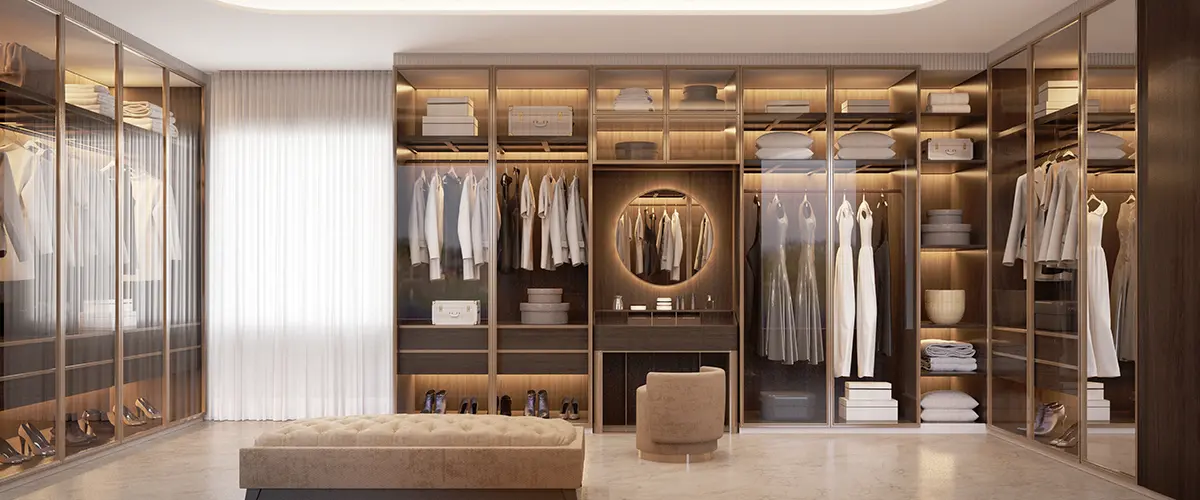
What Are The Best Materials For Custom Closets?

A well-organized closet can completely change your daily routine. But the secret to a truly great closet isn’t just the layout—it’s the closet materials. You want shelves that won’t sag under the weight of your favorite sweaters. That’s why picking the best wood for closet shelves is so important. It’s the foundation of your entire system. We’ll explore different closet building materials, from solid wood to engineered options, so you can confidently choose the best material for closet shelving that will last for years.

Whether you’re designing a walk-in closet, a reach-in closet, or a wardrobe, choosing the right materials is essential to ensure longevity, functionality, and aesthetic appeal.

In this blog post, we’ll dive into the realm of closet design and explore the best materials for crafting durable and stylish custom closets.

Related: Custom closet cost per square foot
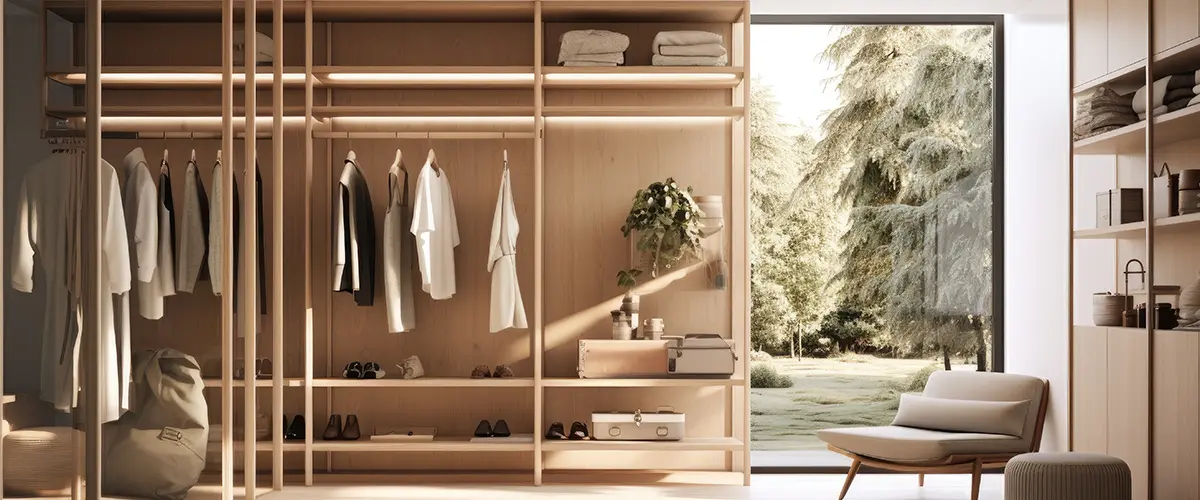
best material for custom closets

Choosing the Best Wood for Your Closet Shelves

When it comes to closet shelving, the choice of wood can significantly impact the overall look and sturdiness of your closet. 

Related: Adjustable closet shelving systems

Key Factors to Consider Before You Choose

Before you settle on a material, it’s helpful to think through a few key aspects of your project. Your lifestyle, home environment, and personal taste all play a role in finding the perfect fit for your new closet. Taking a moment to consider these factors from the start will help you create a space that is not only beautiful but also perfectly suited to your daily routine for years to come. A little forethought ensures your final design is both practical and personal, preventing future frustrations and making sure your investment truly pays off. Let’s walk through the three main things to keep in mind.

What You Plan to Store

First, take a quick inventory of what you need to organize. Are you dealing with a large collection of heavy winter coats, stacks of denim, or an impressive library of shoes? The weight and volume of your belongings are major factors in your design. As experts at Shelf Genie note, “Heavy items like sweaters or shoes need strong wood (hardwood).” For lighter items like t-shirts or accessories, you have more flexibility. Thinking about this ahead of time ensures your closet shelving will be up to the task, preventing sagging and keeping your wardrobe neatly in place.

The Closet’s Environment and Humidity

Next, consider the closet’s location and the climate inside your home. Is it in a potentially damp area like a basement, or is it near a bathroom where steam is common? Humidity can have a significant impact on wood over time, causing it to swell or warp. According to Shelf Genie, “If your closet is damp, choose wood that resists moisture and bugs (cedar, redwood).” Here in Washington, where moisture is a part of life, selecting a material that can withstand environmental changes is crucial for maintaining the integrity and appearance of your custom closet for the long haul.

Your Personal Style and Budget

Finally, your personal aesthetic and budget are key. Your closet should be a reflection of your style, whether that’s modern and sleek or classic and warm. Different materials offer distinct looks and textures. “Some woods look fancy (maple, oak, cherry), while others are more basic and affordable (pine),” as Shelf Genie points out. At Creative Closets, we offer a wide variety of closet colors and styles to match any decor. Our designers can help you find the perfect material that aligns with your vision and budget, creating a functional space you’ll absolutely love using every day.

Solid Wood vs. Engineered Wood: A Quick Comparison

When you start looking at materials, you’ll likely hear the terms “solid wood” and “engineered wood.” Both are excellent choices for building custom closets, but they have different characteristics that make them suitable for different situations. This is one of the most common decision points for homeowners, as it often involves a trade-off between traditional, natural beauty and modern stability and consistency. Understanding the fundamental differences between them will help you make an informed decision that balances durability, appearance, and cost. Let’s break down the pros and cons of each to see which one might be the better option for your home.

The Pros and Cons of Solid Wood

Solid wood is exactly what it sounds like—milled directly from trees. It’s cherished for its natural beauty, unique grain patterns, and timeless strength. As the team at Willamette Carpentry explains, “Solid Hardwoods: Look great and have unique grain patterns. Hold screws very well. Can be sanded and refinished many times.” This means a solid wood closet can evolve with your style over decades. However, it’s also susceptible to its environment and “can twist or warp if moisture levels change a lot.” This makes it a beautiful but sometimes temperamental choice, best suited for stable, climate-controlled areas of your home.

The Pros and Cons of Engineered Wood

Engineered wood, which includes materials like high-quality plywood, MDF, and thermal-fused laminate (TFL), is a popular and practical choice for modern closet systems. These materials are constructed by bonding wood particles, fibers, or veneers together under heat and pressure. Willamette Carpentry notes that “Engineered Woods (like plywood, MDF): Come in larger sheets and are less likely to warp. Have a consistent thickness, making them easier to work with.” This stability makes them incredibly durable and reliable, especially in areas with fluctuating humidity. Plus, they come in a huge range of consistent finishes, giving you a flawless, uniform look that’s built to last.

Plywood: A Reliable & Versatile Option

Plywood is a versatile option that consists of multiple layers of wood veneers glued together. It’s durable, less prone to warping, and more affordable than solid hardwood. Plywood can be a great choice for those seeking a balance between cost and quality.

Specialty Plywoods for Custom Closets

Not all plywood is created equal, and for a custom closet, you’ll want to use a high-quality grade. Look for options like “cabinet grade” or “sanded AB grade” plywood. These have a smooth, finished surface that’s perfect for painting or staining, allowing you to match your closet to your home’s decor seamlessly. For a particularly modern and durable option, Baltic Birch plywood is an excellent choice. It’s known for its strength and stability, thanks to its multiple layers. The edges are so clean and attractive that they can be left exposed, creating a minimalist, high-end look that works beautifully in contemporary designs. Choosing the right finish is key to achieving your desired look, and there are many closet colors and styles to consider that will complement these materials perfectly.

Plywood Performance and Cost

Plywood strikes an ideal balance between strength, stability, and value, making it a top contender for most closet systems. A standard 3/4-inch birch plywood shelf can easily support over 50 pounds per foot, so you won’t have to worry about sagging shelves, even when they’re loaded with heavy sweaters or books. Because of its layered construction, plywood is also less likely to warp or swell with changes in humidity—a definite plus here in the Pacific Northwest. This stability ensures your custom shelving and drawers will function smoothly for years. It’s a cost-effective material that delivers the durability and performance needed for a long-lasting, beautiful closet organization system without stretching your budget.

MDF: The Smooth & Affordable Alternative

MDF is an engineered wood product made from wood fibers and resin, compressed under high pressure. It’s smooth, easy to paint, and offers a consistent surface. While MDF cabinets may not be as durable as solid wood, it’s a cost-effective option that can still provide a polished look.

Important Warnings About Using MDF for Shelves

While MDF has its place in home construction, it’s not a great choice for shelving. Its main drawback is a tendency to sag, even over a short span of two feet with only a moderate amount of weight. MDF is also highly susceptible to moisture; in a humid environment or if it gets wet, the material can swell and crumble. Once this damage occurs, it can’t be repaired. Screws can also pull out of MDF more easily than from plywood or solid wood, which can compromise the structure of your closet system. With a typical lifespan of just 3 to 7 years in load-bearing applications, it’s a material we advise against for durable closet shelving.

The Best Uses for MDF in a Closet System

So, if MDF isn’t ideal for shelves, where does it fit into a custom closet? Its strength lies in its perfectly smooth, consistent surface, which is free of knots and wood grain. This makes it an excellent material for components that don’t bear heavy loads, such as cabinet doors, decorative trim, and the fronts of closet drawers. Because its surface is so uniform, MDF is fantastic for painting, allowing for a flawless, polished finish that can match any decor style. When used strategically for these vertical or non-structural elements, MDF can provide a clean, modern look without sacrificing the overall durability and integrity of your closet system.

MDF vs. Plywood: Which is Right for Your Closet?

MDF (Medium Density Fiberboard) Plywood
Pros
  • Smooth surface for easy painting or veneering
  • Cost-effective option
  • Resistant to moisture and humidity
  • Strong and durable
  • Resistant to bending or sagging
  • Natural look
Cons
  • Not as strong as solid wood or plywood
  • Can’t hold heavy weights as well
  • Edges can be vulnerable to damage
  • Can be more expensive than MDF
  • Edges might require finishing

Talk with an expert

Building to Last: The Most Durable Closet Materials

When it comes to crafting a custom closet, durability is a paramount consideration. Your closet not only needs to accommodate your belongings but also withstand the test of time.

To ensure your custom closet stands strong year after year, it’s essential to choose the most durable materials available.

Solid Hardwood: The Timeless Classic

As a perennial favorite, solid hardwood ranks high on the durability scale.

Materials like oak, maple, and cherry boast exceptional strength, making them ideal for closet components that bear weight, such as shelves and hanging rods.

Solid hardwood not only endures the strain of heavy loads but also retains its beauty for years, adding a touch of sophistication to your closet.

Popular Hardwoods: Oak and Poplar

When you think of strong, classic wood, oak often comes to mind. It’s an excellent choice for high-wear areas of your closet because of its durability and strength. If you have heavy sweaters or a large collection of shoes, oak shelving can handle the weight without a problem. Poplar is another fantastic hardwood option. While still very strong, it’s particularly well-suited for painted finishes because of its smooth, even grain. This makes it a versatile pick if you’re aiming for a specific color scheme to match your room’s decor, allowing you to explore a wide range of closet colors and styles for a truly personalized look.

Specialty Woods: Cedar

Cedar is a wonderful specialty wood that brings more than just strength to your closet. Its most famous quality is its pleasant, distinct aroma, which also happens to be a natural deterrent for moths and other pests. This makes it an ideal material for lining drawers or creating dedicated sections for storing delicate items like wool or cashmere sweaters. Because cedar is also strong and long-lasting, it’s perfect for building sturdy closet drawers or shelving intended for heavier items. Incorporating cedar is a functional upgrade that protects your clothing while adding a touch of luxury to your custom closet system.

Budget-Friendly Solid Wood: Pine

If you love the idea of solid wood but are working with a specific budget, pine is a great material to consider. It’s one of the more accessible solid wood options and is lightweight, which can make installation simpler. Pine takes paint and stain beautifully, giving you plenty of design flexibility. It’s best suited for storing light-to-medium weight items, so it’s perfect for kids’ closets or for organizing folded t-shirts and accessories. When planning your layout, a professional closet designer can help you determine where to use pine effectively while ensuring other areas are built to support heavier loads.

Eco-Friendly Choices: Bamboo and Rubberwood

For those who prioritize sustainability, bamboo and rubberwood are excellent eco-friendly materials. Bamboo is technically a grass, but it’s incredibly durable and strong, making it a fantastic choice for modern closet systems. It grows quickly, so it’s a highly renewable resource. Rubberwood is another environmentally conscious option; it’s harvested from rubber trees that have finished their latex-producing cycle. It’s known for being sturdy and taking stain well, offering a beautiful finish. Choosing these materials means you’re investing in a long-lasting solution for your home that you can feel good about, backed by our company’s guarantee of quality.

Hardwood Performance and Cost

Solid hardwoods offer unmatched performance for custom closets. Their natural grain patterns mean every piece is unique, adding character and warmth to your space. A key advantage is their ability to hold screws and hardware securely, which is crucial for the longevity of drawers, rods, and shelving. Plus, hardwoods can be sanded and refinished over the years if you ever want to refresh the look. While the initial investment may be higher than for engineered woods, the durability and timeless appeal provide incredible long-term value. We offer financing options to help make these premium materials an accessible choice for your home organization project.

Melamine: Scratch-Resistant and Stylish

When it comes to closet surfaces and drawers, melamine boards offer remarkable durability.

The fusion of paper and particleboard with resin creates a tough outer layer that resists scratches, moisture, and heat.

Melamine boards are especially suited for areas that experience frequent use, ensuring that your closet maintains its sleek appearance for years to come.

Metal Hardware: The Foundation of a Strong Closet

While not the primary building material, the durability of metal hardware significantly contributes to the overall robustness of your custom closet.

Opt for high-quality stainless steel, brass, or nickel hardware for hanging rods, brackets, handles, and hooks.

These materials are not only visually appealing but also highly resistant to corrosion and wear, ensuring that your closet’s structural integrity remains intact.

Laminates: Endless Style Possibilities

Laminates are composed of layers of paper or fabric impregnated with resin and fused onto a core material.

This combination results in a highly durable surface that’s resistant to impact, scratching, and fading.

Laminates can be used for closet doors, drawer fronts, and surfaces, offering both style and longevity.
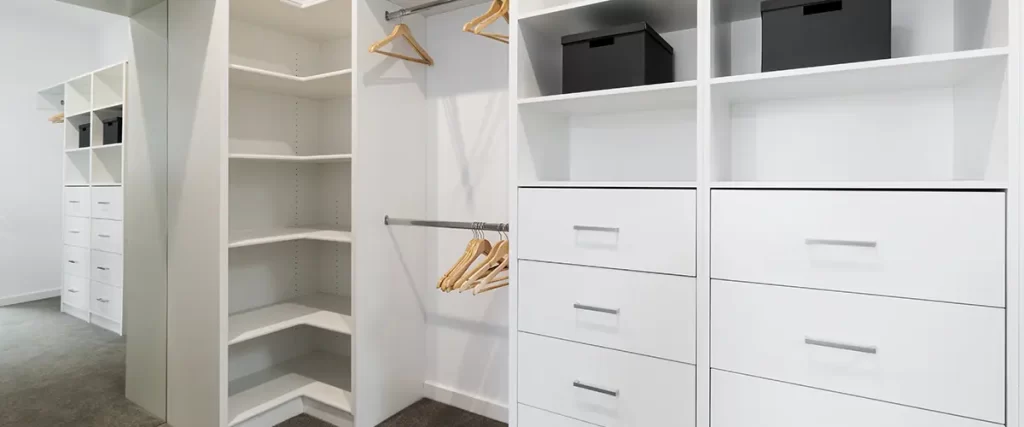
What Are The Best Materials For Custom Closets?

Installation and Finishing for Longevity

Choosing the right materials is a fantastic start, but the true secret to a closet that lasts a lifetime lies in the details of its construction and finish. Proper installation techniques and finishing touches are what transform quality materials into a durable, polished, and fully functional storage system. These crucial steps ensure every shelf is sturdy, every surface is protected, and the entire structure is built to withstand the demands of daily life, looking beautiful for years to come.

Shelf Thickness and Support Rules

The foundation of any great closet system is its shelving. It needs to be strong enough to hold everything from stacks of sweaters to heavy shoe boxes without bowing or bending over time. Paying attention to the thickness of the shelves and how they are supported is not just a minor detail—it’s essential for the closet’s structural integrity and long-term reliability. These rules of thumb are what separate a professionally built closet from one that might not stand the test of time.

Related: Built-in closet systems

The 3/4-Inch Rule for Shelving

In professional closet design, using wood that is at least 3/4-inch thick is a non-negotiable standard for all closet shelving. While thinner half-inch boards might seem adequate for very short shelves holding lightweight items, they lack the structural integrity to prevent sagging under the typical weight of clothing and other belongings. Adhering to the 3/4-inch rule ensures your shelves will stay straight and sturdy, providing dependable storage you can count on for the long haul without worrying about warping or bowing.

Proper Support Spacing to Prevent Sagging

Beyond the thickness of the material, the spacing of the supports is equally critical. A long, unsupported shelf is destined to bow, regardless of how robust the wood is. To prevent this, shelves must be properly supported at least every 30 to 36 inches. This ensures that weight is distributed evenly across the span, maintaining the shelf’s integrity and preventing that frustrating dip in the middle. It’s a key detail that a professional closet designer always incorporates to guarantee the system’s performance.

Assembly and Finishing Techniques

The difference between a closet that simply looks good and one that is exceptionally well-crafted often comes down to the assembly and finishing. These techniques are about more than just aesthetics; they protect the materials from daily wear and tear, ensuring your investment remains beautiful for years. From the way the pieces are joined together to how the edges are treated, every step in the finishing process is vital for creating a durable and polished final product that feels truly custom.

Common Assembly Methods

Professionals rely on specific techniques to create strong, seamless joints that are built to last. A common and highly effective method involves using pocket holes, where angled holes are drilled to connect pieces with special screws. This approach creates an incredibly strong bond that is often hidden from view, resulting in a clean, high-end appearance. These secure assembly methods are fundamental to the structural integrity of custom closet systems, ensuring every component stays firmly in place through years of daily use.

How to Finish Plywood Edges

When using plywood, the exposed layered edges can look unfinished and are more vulnerable to chipping or moisture damage. That’s why finishing them properly is so important for both appearance and durability. The professional solution is to apply edge banding, which is a thin strip of veneer that is heat-applied to cover the raw edges. This simple step creates the clean, seamless look of solid wood while also protecting the core of the plywood. It’s a finishing touch that signals quality craftsmanship.

Sealing Wood to Prevent Warping

Wood is a natural material that can react to its environment, especially changes in humidity. To prevent your closet components from warping, twisting, or swelling over time, it’s essential to seal the wood on all sides—not just the surfaces you can see. Applying a quality sealant creates a protective barrier that minimizes moisture absorption and helps the wood remain stable through changing seasons. This comprehensive approach is a critical step in safeguarding the longevity and structural integrity of your custom closet.

Long-Term Care for Your Closet System

Once your beautiful new closet is installed, a little care will go a long way in keeping it looking pristine. The good news is that maintaining a high-quality custom closet doesn’t require a lot of effort. By following a few simple guidelines, you can easily protect the materials and finish, ensuring your storage space remains as stunning and functional as the day it was completed. Think of it as simple upkeep to protect your investment and enjoy your perfectly organized space for years to come.

Maintaining a stable environment is one of the best things you can do for your closet; try to keep the humidity in your home between 40% and 55% to prevent any potential issues with the wood. When it comes to cleaning, simple is best. Regularly dust all surfaces with a soft, dry microfiber cloth to avoid creating micro-scratches, which can be more noticeable on darker finishes. For any smudges or spills, a slightly damp cloth followed immediately by a dry one will usually do the trick.

What Are High-End Closets Really Made Of?

High-end closets are not just storage spaces; they are a fusion of design, innovation, and quality craftsmanship. Much like deciding between box cabinets and custom cabinets for your kitchen or bathroom renovation, he choice of materials plays a key role in the design and durability of your custom closet.

When it comes to creating a closet that exudes luxury, the choice of materials plays a pivotal role.

These closets are not only functional but also a testament to opulence and refinement.

Wood Veneers for a Luxe Look

Veneers are thin layers of high-quality wood applied to a core material, creating an exquisite finish that resembles solid wood.

High-end closets frequently feature veneers made from rare and precious woods, offering a striking appearance without the expense of using solid wood throughout. This blend of elegance and cost-efficiency contributes to the allure of these closets.

Custom Glass for a Touch of Glamour

Glass elements, such as mirrored panels, glass shelves, and illuminated displays, bring an air of opulence to high-end closets. Custom-cut and expertly installed, glass infuses a sense of grandeur and modernity, reflecting light to create an open and elegant atmosphere.

Integrated Lighting to Showcase Your Wardrobe

Lighting transforms a closet into a glamorous dressing room. High-end closets incorporate integrated LED lighting systems that highlight clothing, accessories, and other items. The play of light not only adds functionality but also a sense of theater and ambiance.

Plush Fabrics and Upholstery for Comfort

In walk-in closets, plush seating areas and upholstered panels contribute to the luxury experience. High-end closets often incorporate rich fabrics like velvet, silk, and premium leather for seating, creating a cozy and inviting space.

Smart Automation for Modern Convenience

Cutting-edge technology is another hallmark of high-end closets. Automated features such as motorized shoe racks, rotating carousels, and remote-controlled lighting systems add an element of convenience that complements the luxurious environment. luxury walk-in closet Talk with an expert

FAQ: Best Material for Custom Closets

Yes, MDF is cost-effective and offers a smooth finish, making it a good choice for custom closets with a painted look.

Particleboard is a budget-friendly option but is less durable than plywood or solid wood. It’s best used in areas with less weight and wear.

Yes, melamine is durable, easy to clean, and resistant to scratches and stains, making it a popular choice for closet systems.

Wood veneer offers a high-end look with natural wood grain patterns and is more affordable than solid wood, providing a good balance between aesthetics and cost.

Bringing Your Custom Closet to Life

We source our materials from a reputable Canadian supplier, ensuring that every component of your custom closet meets the highest standards of quality and durability.

Get in touch with us at (425) 428-5073 to schedule a consultation and discover how we can transform your space into a realm of organized luxury. Your dream closet awaits with Creative Closets and ODI.

Related Local Window Replacement & Installation Business

Key Takeaways

  • Plan for your specific needs: Consider the weight of your items and the closet’s environment. Heavy collections need strong materials like plywood or solid wood, while closets in humid areas require moisture-resistant options to prevent damage.
  • Choose the right wood for the job: Use strong, high-quality plywood for shelves to prevent sagging and ensure stability. Reserve solid wood for its timeless look and durability, and use MDF primarily for painted, non-load-bearing elements like drawer fronts or trim.
  • Focus on construction details: Quality materials are only half the battle; proper installation is key. Insist on details like 3/4-inch thick shelves with supports every 30 to 36 inches to guarantee a sturdy, long-lasting closet system that won’t sag.

Related Articles

Tim Melton
About the Author
Tim Melton founded Creative Closets in 2003, bringing over 20 years of expertise in custom storage solutions to homeowners throughout King and Pierce Counties, Washington. A retired firefighter with 28 years of service, Tim combines his meticulous attention to detail and dedication to helping others with a passion for transforming homes through personalized organization solutions. What started as a side project during his firefighting career has grown into one of the Puget Sound region's most trusted custom closet companies, with over 8,000 closets designed and installed. Tim and his son now run Creative Closets full-time as a family-owned and operated business, delivering free in-home design consultations with 3D visualization and professional same-day installation. Creative Closets specializes in premium custom closet systems, kitchen pantry organization, garage cabinets, home office storage, and more. Every project features 100% real wood products, dozens of color and finish options, and is backed by a lifetime warranty on both workmanship and materials.