

Choosing new cabinets is a huge decision. They don’t just hold your dishes; they define the entire feel of your room. But the jargon can be a headache. When you’re comparing full overlay cabinets vs inset, what does that even mean? It’s simpler than it sounds. It’s all about how the door meets the cabinet frame. This one detail creates two completely different styles—one sleek and modern, the other classic and detailed. Understanding the difference between full overlay vs inset is the key to getting the exact look you want for your home.
Let’s break it down in the simplest way possible so you can decide without any headaches.
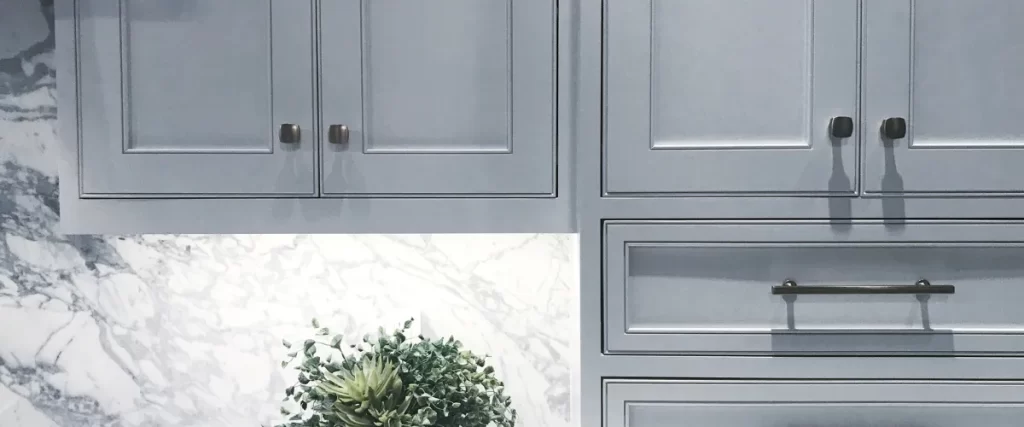
What Are Inset Cabinets?
Inset cabinets have doors and drawers that sit inside the cabinet frame. Basically, they’re flush with the surface of the cabinet. Picture a perfectly flat, smooth finish where nothing sticks out—it’s super sleek and clean-looking.
They’ve been around for a long time and are often found in older, traditional homes. But they’re also popular in modern kitchens because they have a high-end, custom feel.
The cool thing about inset cabinets is that they look super polished, like fine furniture. They’re often paired with decorative hinges, which can add a little extra charm.
But here’s the catch—they require more precision to install. Since the doors fit inside the frame, everything has to line up perfectly. That means they might cost a bit more than other cabinet styles.
And What Are Overlay Cabinets?
Overlay cabinets are the opposite. Their doors and drawers sit on top of the cabinet frame, covering it completely (or almost completely).
There are actually two types of overlay cabinets:
- Full Overlay Cabinets – These doors cover nearly the entire cabinet frame, giving a smooth, modern look.
- Partial Overlay Cabinets – These leave some of the cabinet frame visible, which is more of a traditional style.
Overlay cabinets are more common and tend to be less expensive than inset cabinets because they’re easier to make and install.
They’re also great for maximizing storage since the doors don’t take up space inside the frame.
What About Frameless Cabinets?
Beyond inset and overlay, there’s another popular style you should know about: frameless cabinets. These are often called “Euro-style” cabinets and are a go-to for anyone craving a modern, minimalist vibe. Unlike traditional American-style cabinets that have a face frame around the opening, frameless cabinets are just a simple box. The doors attach directly to the sides of the cabinet box, creating a seamless and clean look with very tight spacing between doors and drawers. This design is perfect for creating a sleek, uninterrupted wall of cabinetry in a kitchen, home office, or even a custom walk-in closet.
The “Euro Style” Alternative
The biggest advantage of frameless cabinets is the incredible accessibility and storage space they offer. Since there’s no face frame getting in the way, you get full, unobstructed access to the inside of the cabinet. This makes it easier to store larger items and means you can have wider drawers. Euro-style cabinets are also highly customizable; you can tailor them with different finishes and paints to perfectly match your home’s aesthetic. This flexibility allows you to achieve a truly personalized look that feels both high-end and incredibly functional, whether you’re organizing a pantry or designing a new laundry room.
This modern construction also makes frameless cabinets easier to clean since there are no frame edges to trap dust and grime. However, their design requires very precise manufacturing and installation to ensure everything lines up perfectly. Because of the meticulous construction and thicker materials needed, they can sometimes be more of an investment than standard overlay cabinets. But for homeowners who prioritize a sleek, contemporary design and maximum storage, the clean lines and superior functionality of frameless cabinets make them an excellent choice for a sophisticated and organized home. You can explore various colors and styles to see how this look could fit into your space.
Are Inset Cabinets Right for You? The Pros and Cons
What to Love About Inset Cabinets
- Sleek, clean design that looks high-end
- Works well in both modern and classic styles
- Customizable with exposed or hidden hinges
Potential for Increased Home Value
Think of inset cabinets as more than just a style choice; they’re an investment in your home’s future. Because they require such precise craftsmanship to fit perfectly flush within the frame, they give off a high-end, custom-built vibe that buyers notice. This attention to detail can translate into higher resale value, particularly in homes with a classic or traditional aesthetic. Their timeless appeal means they won’t look dated in a few years, making them a smart choice for anyone looking to create a lasting impression with their home’s design. It’s a feature that signals quality and thoughtful design throughout the space.
Potential Drawbacks to Consider
- Can be more expensive
- Requires very precise installation
- Less interior storage because the doors sit inside the frame
Reduced Interior Storage Space
Let’s talk about storage, because that’s what cabinets are for, right? With inset cabinets, the door sits inside the cabinet frame. This creates that beautiful, flush look, but it also means the door takes up a little bit of room on the inside. You can expect to lose about three-quarters of an inch to an inch of depth compared to overlay cabinets. While that might not sound like a huge deal, it can make a difference when you’re trying to maximize every square inch of your pantry organization.
This is a classic trade-off between form and function. Overlay cabinets give you slightly more usable space because the doors are mounted on the outside, leaving the entire interior free. If you have a smaller kitchen or need to store bulky items like large plates or small appliances, that extra inch can be surprisingly important. It’s definitely something to consider as you weigh the sleek aesthetic of inset cabinets against the need for maximum closet storage.
Should You Choose Overlay Cabinets? The Pros and Cons
What to Love About Overlay Cabinets
- More affordable than inset cabinets
- Easier and faster to install
- Maximizes storage space inside the cabinet
A High-End Look for Less
If you love the polished, custom look of inset cabinets but are working with a specific budget, full overlay cabinets are a fantastic alternative. They achieve a very similar aesthetic because the doors cover nearly the entire cabinet frame, creating a smooth, continuous surface that feels modern and clean. This gives you that streamlined, high-end appearance without the premium price tag associated with the intricate installation of inset doors. It’s a practical way to get the design you want while being mindful of costs. Plus, when you choose from a wide range of beautiful colors and styles, you can create a truly luxurious feel that perfectly matches your home’s decor.
Potential Drawbacks to Consider
- Doesn’t look as custom or high-end
- Can have a bulkier appearance, especially with partial overlays
- Hinges are usually hidden, which some people prefer but others may not
Full Overlay vs Inset Cabinets: A Cost Comparison
Cost is one of the biggest deciding factors when it comes to choosing between inset and overlay cabinets.
Inset cabinets are usually more expensive. That’s because they require precise craftsmanship to fit perfectly inside the frame. They’re often custom-made, which can add to the price.
Overlay cabinets are more budget-friendly since they’re easier to produce and install. If you’re looking for something stylish but affordable, overlay cabinets are a great choice.
Understanding the Price Difference
So, what’s the bottom line? Generally, inset cabinets come with a higher price tag. The reason is all in the details—they demand a high level of precision to ensure the doors and drawers fit perfectly inside the cabinet frame. This meticulous craftsmanship takes more time and skill, which naturally influences the cost. On the other hand, overlay cabinets are typically more accessible from a budget standpoint. Since the doors rest on top of the frame, they are simpler to manufacture and install, making them a popular choice for many homeowners. You can expect overlay styles to be about 15% to 30% less than their inset counterparts, which can make a significant difference in your overall project budget.
How Cabinets Impact Your Overall Budget
Choosing between inset and overlay cabinets goes beyond the initial price; it affects your budget, storage, and the entire feel of the room. While inset cabinets offer a beautiful, furniture-like finish, they can slightly reduce your interior storage space—sometimes by up to an inch per cabinet. This might not sound like much, but across an entire kitchen, it can add up. When we design a custom kitchen pantry, for example, maximizing every inch is crucial. This is a key factor to consider, as you might need to account for additional storage solutions. Ultimately, your decision is a balance between the aesthetic you love, the functionality you need, and the budget you’ve set for your project.
Which Cabinets Last Longer? Durability and Upkeep
When it comes to durability, both styles hold up well, but there are a few things to consider.
Inset cabinets have doors that fit tightly inside the frame, which means there’s less room for things to shift or warp over time. But this tight fit also means they might need occasional adjustments, especially if the wood expands or contracts due to humidity.
Overlay cabinets are a little more forgiving. Since the doors sit on top of the frame, they’re less likely to stick if the wood swells. They’re also easier to replace if you ever need to swap out a door.
In terms of cleaning, both styles are pretty straightforward. But inset cabinets may require a bit more care because dirt can build up around the edges of the frame.
The Impact of Humidity and Home Settling
Here in Washington, we’re no strangers to a bit of humidity, and it’s something to consider for any wood features in your home. Wood naturally expands and contracts with changes in moisture, which can affect inset cabinets. Because the doors fit so precisely within the frame, even minor swelling can cause them to stick or rub, sometimes requiring a simple hinge adjustment. Similarly, as a house settles over time, the perfect alignment of inset doors can be affected. Overlay cabinets are generally more forgiving since the doors rest on top of the frame, giving them more clearance and making them less likely to bind. A professional closet designer can help you weigh these factors for your specific home.
How Each Style Shows Wear and Tear
Both cabinet styles are designed to last for years, but they show age in different ways. With inset cabinets, the main long-term upkeep involves maintaining that perfect alignment, as a settling house can cause gaps to become slightly uneven. The small groove around the door can also collect dust, requiring a bit more care when cleaning. On the other hand, the exposed edges of overlay cabinet doors can be more susceptible to nicks in high-traffic areas. The good news is that touch-ups are often straightforward. Ultimately, the longevity of any cabinet comes down to the quality of the materials and installation. When you invest in well-made closet systems, you can trust they are built to handle daily life beautifully, regardless of the style you choose.
Finding Your Style: Design Options for Inset and Overlay
Inset cabinets are perfect if you love a classic, timeless look. They work beautifully in shaker-style kitchens and older homes that already have vintage charm. They also look great with decorative hinges, which add extra detail.
Overlay cabinets are better if you prefer a sleek, modern vibe. They give you more flexibility with design since they come in full and partial options. You can choose bold colors, glass inserts, or even textured finishes to match your style.
Whether you’re going for something simple or eye-catching, both types of cabinets offer plenty of design choices to suit your taste.
Hinge and Hardware Choices
Think of hinges and hardware as the jewelry for your cabinets—they’re the finishing touch that pulls the whole look together. With inset cabinets, you get to make a key style decision right away: visible or hidden hinges? You can choose exposed hinges, like classic butt hinges, which act as a decorative accent and add a ton of vintage charm. It’s a perfect choice for a farmhouse or traditional look. Or, you can go with concealed hinges that are tucked away inside, creating a completely seamless and modern finish that lets the precise craftsmanship of the inset doors shine. This one choice really sets the tone for your entire space.
Overlay cabinets almost always use concealed hinges. Full overlay doors, especially, rely on hidden European-style hinges to create that uninterrupted, smooth surface that’s so popular in contemporary design. With the hinges out of sight, the focus is all on the cabinet doors themselves. After that, you get to the really fun part—choosing knobs and pulls. This is where you can let your personality show, whether you love sleek bar pulls for a modern feel or classic round knobs for a timeless look. Picking the right closet hardware can feel like a big decision, but it’s a detail our designers love helping with to make sure your final design is perfect.
How Much Can You Customize Your Cabinets?
One thing to keep in mind is how customizable each option is.
Inset cabinets are often made to order, which means you get more flexibility with the design. You can add unique trim, decorative molding, or exposed hinges to make them stand out. This is perfect if you’re looking for something that feels truly one-of-a-kind.
Overlay cabinets, on the other hand, are available in more ready-to-install options. They come in a wide range of materials, finishes, and styles, so you can find something you love without going fully custom. If you’re working with a tighter budget but still want variety, overlay cabinets are a great choice.
When it comes to hardware, both styles give you lots of options. For inset cabinets, you can go with vintage-style knobs and pulls to complement their classic look. For overlay cabinets, sleek, modern handles are a popular choice.
A Note on Soft-Close Features
Regardless of which cabinet style you choose, consider adding soft-close features. This is a small detail that makes a huge difference in your daily life. Soft-close hinges and drawer glides prevent doors and drawers from slamming shut, bringing a sense of peace and quiet to your kitchen or closet. Beyond just reducing noise, this feature also protects your investment by minimizing wear and tear on the cabinet frames, helping them last longer. It’s also a fantastic safety feature, especially in homes with young children, as it helps prevent tiny fingers from getting pinched. It’s an affordable touch of luxury that enhances the feel of your space, and it’s a standard part of the high-quality closet hardware we use in our custom designs.
What to Expect During Installation
The installation process is another area where these two cabinet styles differ.
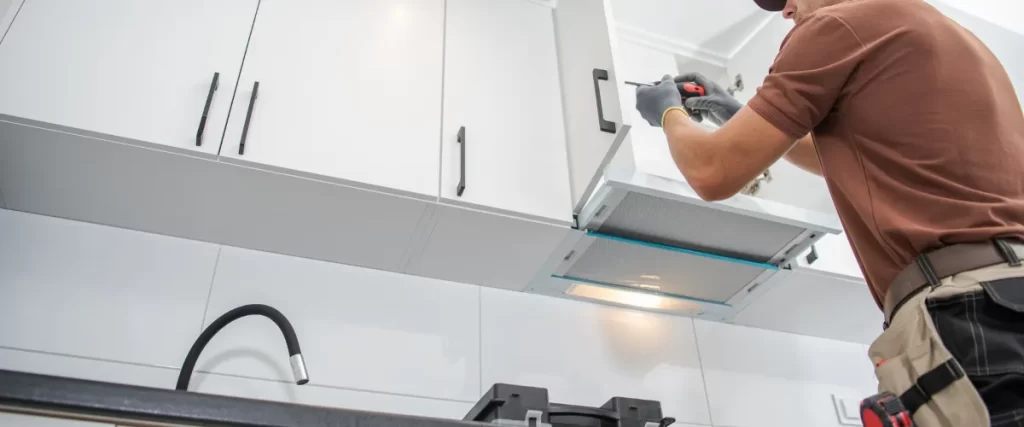
Inset cabinets require more time and expertise during installation. Because the doors need to fit perfectly inside the frame, the measurements have to be exact. This can make the process a bit longer, especially if adjustments are needed along the way.
Overlay cabinets are much simpler to install. Since the doors rest on top of the frame, there’s more room for error. This makes them a faster and more affordable option, especially if you’re remodeling on a tight schedule.
Considering Lead Times
Your project timeline is another important factor to weigh. Because inset cabinets demand such precise craftsmanship to fit perfectly, they are often custom-made, which can extend the lead time. The manufacturing and installation process is more detailed, so you’ll need to plan for a longer wait. On the other hand, overlay cabinets are generally quicker to get. Their design is more forgiving, making them faster to produce and install. If you’re working on a tight schedule for your renovation, this difference in timing could be a deciding factor. This is true for any custom project, from kitchen cabinets to a fully designed walk-in closet, so it’s always smart to discuss timelines with your designer upfront.
FAQ: Inset vs Overlay Cabinets
Which is more affordable—Inset or Overlay cabinets?
Overlay cabinets are generally more affordable because they’re easier to make and install. Inset cabinets are more expensive due to their custom fit and higher craftsmanship.
Which style is better for small kitchens?
Overlay cabinets often work better in smaller kitchens since they maximize storage space. Inset cabinets take up a bit more room inside the frame, which may be noticeable in tighter spaces.
Do inset cabinets need more maintenance?
Yes, inset cabinets may need occasional adjustments over time, especially if the wood expands or contracts. Overlay cabinets are less likely to need adjustments.
Can I mix both styles in my kitchen?
Absolutely! Many homeowners mix and match styles to create a unique look. For example, you might use inset cabinets for your upper storage and overlay cabinets for lower ones.
Full Overlay vs Inset: Which Is Best for Your Home?
When it comes down to it, the choice between inset and overlay cabinets depends on your style, budget, and storage needs.
If you want a classic, high-end look and don’t mind spending a bit more, inset cabinets might be the way to go. But if you’re looking for something affordable, modern, and easy to install, overlay cabinets are a fantastic option.
At Creative Closets, we know how important it is to find the right cabinets for your home. Whether you’re upgrading your kitchen or planning a full remodel, we’re here to help. From design to installation, we make the process easy and stress-free.
Ready to start your project? Contact Creative Closets today at (425) 428-5073, and let’s create a space you’ll love!
Key Takeaways
- Define your style with the door fit: The key difference is simple: inset doors sit inside the cabinet frame for a classic, furniture-like finish, while overlay doors cover the frame for a sleek, modern look. This choice is the foundation of your room’s overall aesthetic.
- Balance your budget and storage needs: Inset cabinets offer a high-end, custom appearance but typically come with a higher price and slightly reduced interior space. Full overlay cabinets achieve a similar streamlined style for a more accessible cost, giving you maximum storage for your investment.
- Plan for installation and upkeep: Inset cabinets require precise, expert installation to achieve their perfect fit and may need occasional adjustments. Overlay cabinets are generally quicker to install and more forgiving to changes from humidity, making them a lower-maintenance option over time.
Related Articles