

Choosing the right cabinets for your home often comes down to one big decision: MDF or solid wood? It’s a classic debate, and it’s easy to get lost in all the opinions. So, let’s clear things up. You’re likely wondering, are MDF cabinets good, or are they just a compromise? The truth is, modern MDF is a seriously impressive material, especially if you’re asking, “can you paint mdf cabinets?” We’ll give you an honest look at both options, so you can confidently choose the right material for your cupboards and your style.
Let’s break it down in the simplest way possible, so by the end, you’ll know which material suits your needs best!
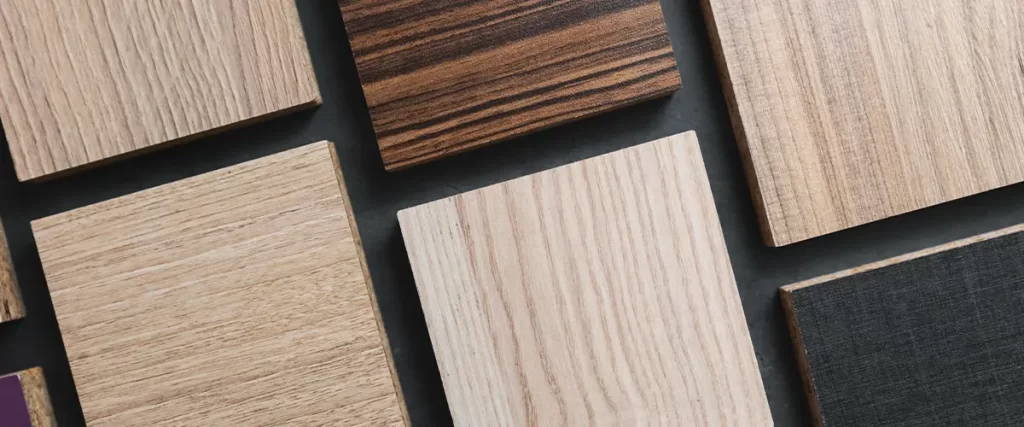
MDF vs. Wood Cabinets: What’s the Real Difference?
- MDF Cabinets: MDF is a type of engineered wood made by breaking down hardwood and softwood fibers, combining them with resin, and compressing them into solid boards. Think of it as a super-smooth, uniform material that’s easy to work with.
- Wood Cabinets: Wood cabinets are exactly what they sound like—made from natural, solid wood. They come in various types, like oak, maple, cherry, and pine, each with its own look and durability level.
What Are MDF and Solid Wood?
Let’s start with the basics. MDF, which stands for Medium-Density Fiberboard, is an engineered wood product. It’s made by breaking down wood fibers, mixing them with resin and wax, and then pressing them together under high heat. This process creates a dense, stable, and incredibly smooth board. Because it lacks a natural grain, MDF is a fantastic surface for painting, resulting in a flawless, uniform finish that can be difficult to achieve with natural wood. It’s also less likely to warp or crack with changes in humidity—a significant advantage for homes here in the Pacific Northwest. When we design custom closet systems, we often use high-quality MDF for its reliability and perfect finish.
On the other hand, solid wood is exactly what it sounds like: lumber milled directly from trees. Materials like oak, maple, and cherry are classic choices for cabinetry and furniture. Each piece of solid wood is unique, showcasing the natural grain, knots, and color variations of the tree it came from. This inherent character is what draws many people to it. Solid wood is strong, durable, and has the advantage of being repairable—scratches can be sanded out and the piece refinished. The variety of colors and styles available in natural wood allows for beautiful, timeless designs that bring warmth into any space.
A Note on Global Preferences
It’s interesting to note that material preferences can vary quite a bit depending on where you are. While there’s often a strong sentiment for solid wood in the United States, that isn’t the case everywhere. In many parts of the world, particularly in Europe, MDF and its higher-density counterpart, HDF, are the standard for high-end kitchen cabinets and custom furniture. This is because quality engineered wood is widely recognized for its superior stability and its ability to hold a perfect, smooth finish when painted. So, while the “solid wood is always better” idea is a common one, it’s helpful to know that premium MDF is a respected and widely used material in fine cabinetry across the globe.
Pros of MDF Cabinets
- Smooth Surface:
MDF has a perfectly smooth surface, making it great for painted cabinets. There’s no grain to worry about, so you’ll get a sleek, flawless finish. - Budget-Friendly:
If you’re on a budget, MDF is generally cheaper than wood. It gives you the look you want without breaking the bank. - No Warping:
Because it’s engineered, MDF doesn’t warp or crack as easily as natural wood. This makes it a good choice for humid areas, like bathrooms or kitchens. - Versatility:
MDF is easy to shape and cut, so you can get more intricate designs and details on your cabinet doors.
Cons of MDF Cabinets
- Less Durable:
While MDF is sturdy, it’s not as durable as solid wood. It can chip or dent more easily, especially if it takes a hard hit. - Can’t Handle Moisture:
If MDF isn’t sealed properly, it can swell when exposed to water. That’s why it’s crucial to ensure proper sealing and painting. - Lacks the Natural Look:
If you’re going for a rustic or natural wood-grain look, MDF might not be your top choice since it doesn’t have the texture of real wood.
Susceptibility to Water and Heat Damage
One of the biggest things to consider with MDF is its relationship with water. If it gets wet, MDF can swell up and permanently change its shape. This is a major concern in areas with high moisture, like kitchens where spills and steam are part of daily life, or in a busy laundry room. While MDF is a great material, it needs to be properly sealed and painted to protect it from moisture damage. Without a solid finish, any exposure to water can cause irreversible harm, which is why professional finishing is so important for longevity.
Difficulty with Repairs
While MDF is quite resilient, it can be tricky to repair if it gets damaged. Unlike solid wood, which can often be sanded down to remove a scratch or a dent, MDF doesn’t offer the same flexibility. Deep scratches and dents are much harder to fix and can be quite noticeable. If the surface layer gets chipped, patching it up to look seamless is a challenge. This is something to keep in mind, especially for high-traffic areas where your cabinets might see more wear and tear over the years. We stand by the quality of our materials and installation, which you can learn more about in our guarantee.
Weight and Structural Demands
You might be surprised to learn that MDF is significantly heavier than solid wood. This extra weight has a few implications for your cabinets. First, it means they require very sturdy and reliable installation to ensure they are secure on your walls. Second, the weight puts more demand on the closet hardware, especially the hinges. Over time, the heaviness of the doors can cause hinges to sag if they aren’t high-quality or installed correctly. This is why professional installation is key—it ensures the entire system is built to handle the weight and function smoothly for years to come.
Pros of Wood Cabinets
- Timeless Beauty:
Nothing beats the natural beauty of wood. Its unique grain patterns add warmth and character to any room. - Strong and Durable:
Wood is tough and can handle years of wear and tear. Scratches and dents can often be sanded and refinished, giving your cabinets a long lifespan. - Variety:
There are so many wood types to choose from, each with its own personality. Whether you like light, airy tones or rich, dark finishes, wood offers endless options. - Boosts Home Value:
Solid wood cabinets are a classic choice that adds value to your home, making them a smart investment.
Cons of Wood Cabinets
- Pricey:
Wood cabinets tend to be more expensive, especially if you go for premium options like cherry or walnut. - Prone to Warping:
Unlike MDF, wood can expand and contract with changes in temperature and humidity. Over time, this can lead to cracks or warping. - Requires Maintenance:
Wood needs a bit more care, like occasional polishing or refinishing, to keep it looking its best.
Painting and Staining Challenges
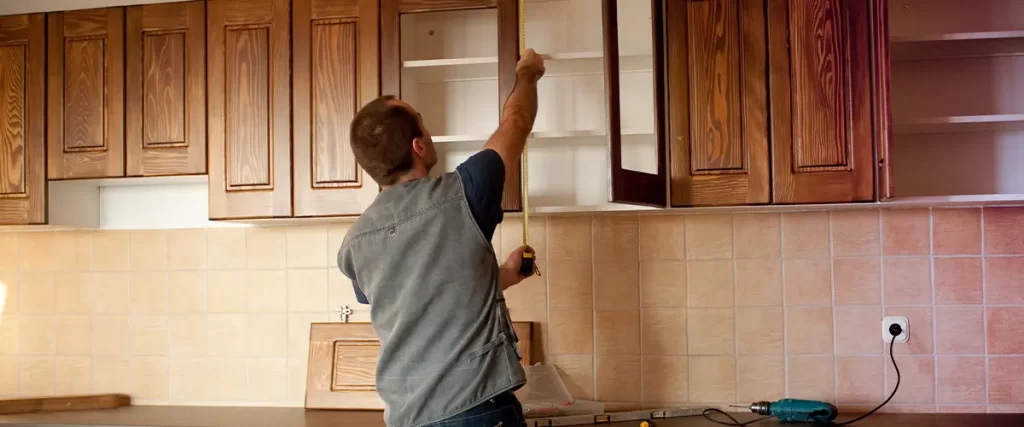
When it comes to finishing your cabinets, MDF and wood present different opportunities and hurdles. MDF’s perfectly smooth surface is ideal for a painted finish, giving you a sleek, flawless look without any wood grain peeking through. The main challenge, however, is its vulnerability to moisture. If MDF isn’t sealed properly before painting, it can absorb water and swell, which is why a professional finish is so important. Also, keep in mind that MDF can’t be stained. If you’re dreaming of a rich, wood-grain look, this material won’t be able to deliver that specific style, as it’s designed for opaque finishes like paint.
Natural wood is the star when it comes to staining. A good stain enhances the unique grain patterns, bringing warmth and timeless character to your space. The trade-off is that wood requires a bit more maintenance to keep it looking fresh, sometimes needing a polish or refinishing down the road. If you decide to paint wood, the natural grain can sometimes show through the paint, which can be a beautiful, textured look for some, but not ideal if you want a perfectly smooth surface. Exploring different closet colors and styles can help you visualize which finish will best complement your home and personal taste.
Beyond MDF and Wood: What About Plywood?
While MDF and solid wood often take center stage, there’s another fantastic material that deserves your attention: plywood. It’s not just a construction basic; it’s a high-performing option for custom cabinetry and storage solutions. Think of it as the perfect compromise, blending some of the best features of both MDF and solid wood. If you’re looking for a material that offers strength, stability, and a clean finish, plywood might be the ideal choice for your project, whether it’s a new kitchen pantry or a complete home office setup.
Plywood as a Middle Ground
Plywood is known for its impressive durability, making it a smart investment for custom cabinets that need to stand the test of time. It’s constructed from thin layers of wood veneer glued together, creating a strong, cross-grain pattern that resists warping and shrinking in humid environments. This makes it an excellent material for spaces like laundry rooms or pantries where moisture can be a concern. Unlike MDF, plywood holds screws and other fasteners exceptionally well, ensuring your shelving and drawers remain secure. Plus, if it ever gets dinged or scratched, plywood is generally easier to repair, giving it a longer lifespan in a busy home.
The Hybrid Approach: Best of Both Worlds
Plywood truly offers a hybrid solution by combining the stability of an engineered product with the inherent strength of real wood. It’s lighter than MDF, which can be an advantage during installation, but it’s far more resilient against moisture damage. This quality makes it a reliable foundation for all kinds of custom closet systems, from walk-ins to reach-ins. Because it holds fasteners so securely, it provides the structural integrity needed for heavy-duty storage. By choosing plywood, you get a material that is both strong and stable, giving you peace of mind that your custom storage is built to last.
MDF vs. Wood Cabinets: A Side-by-Side Comparison
Let’s compare these two materials side by side to help you see the differences more clearly.
| Feature | MDF | Wood |
| Appearance | Smooth, no grain; great for paint | Natural grain; classic and warm |
| Durability | Sturdy but can chip or swell | Very durable; can be refinished |
| Cost | More affordable | More expensive |
| Customization | Easy to shape and design | Limited by wood grain |
| Maintenance | Low if painted and sealed | Needs occasional refinishing |
| Water Resistance | Resistant if sealed; otherwise not | Can warp or swell over time |
Cost and Value: An Honest Look
Let’s talk about the bottom line. Budget is a major factor in any home renovation, and it’s important to understand not just the initial price tag but the long-term value of your investment. Both MDF and solid wood offer different benefits when it comes to cost. MDF often provides a high-end look at a more accessible price point, making it a fantastic option for achieving a specific aesthetic without stretching your budget. On the other hand, solid wood is a premium material that carries a higher initial cost but can pay off in durability and home value down the road. The right choice depends on your financial comfort zone and your long-term goals for your home.
Initial Cost Breakdown
When you start pricing out your project, you’ll notice a clear difference between MDF and wood. MDF is generally the more economical choice. While costs can vary based on design complexity and finish, you can typically expect MDF cabinets to range from $80 to $150 per linear foot. For a full project, this often translates to a total cost between $2,500 and $5,000. In contrast, solid wood cabinets are a bigger upfront investment, with prices often starting around $5,000 and going up to $25,000 or more, depending on the type of wood and the intricacy of the design. At Creative Closets, we help you understand these costs with a transparent process, and we even offer financing options to make your dream space a reality.
Impact on Home Resale Value
Thinking about the future? The material you choose for your cabinets can influence your home’s resale value. Solid wood cabinets are often seen as a premium, timeless feature by potential buyers. Because of their durability and classic appeal, they can be a strong selling point and potentially increase your home’s market value. MDF, while stylish and functional, may not offer the same return on investment. It’s a practical and beautiful solution for your own enjoyment but might not be viewed as a luxury upgrade by future homeowners. Deciding between the two often comes down to whether you’re prioritizing immediate affordability or a long-term investment in your property’s value.
Health and Environmental Considerations
The materials we bring into our homes affect more than just our wallets and design schemes; they impact our living environment and the planet. When choosing between MDF and wood, it’s worth considering the health and environmental implications of each. From the air quality inside your home to the sourcing of raw materials, both options have their own set of pros and cons. Being informed helps you make a choice that aligns with your values and contributes to a healthier home. We believe in creating beautiful spaces that you can feel good about, which is why we carefully consider the materials we use in every custom closet system.
Understanding VOCs and Formaldehyde
You may have heard the term “VOCs,” which stands for Volatile Organic Compounds. These are chemicals that can be released into the air from various building materials, including the resins used to bind MDF. Some MDF products can off-gas these chemicals, particularly when they are new. This is why ensuring good airflow and ventilation after installation is important. However, the industry has made significant strides, and many manufacturers now offer low-VOC or no-added-formaldehyde (NAF) MDF options. When working with a professional, you can request materials that meet stringent air quality standards, ensuring your new home office or pantry is as healthy as it is organized.
The Environmental Impact of Cabinet Materials
From an environmental perspective, the choice isn’t black and white. MDF has a green advantage because it’s often made from recycled wood fibers and sawdust, which reduces waste. However, the resins and chemicals used in its production can have an environmental footprint. On the other hand, solid wood is a natural and renewable resource. The key is responsible sourcing—wood harvested from sustainably managed forests is a much better choice than wood from clear-cutting operations. When you work with a designer, you can ask about the origin of the materials to ensure you’re making an environmentally conscious decision that you can be proud of for years to come.
How to Choose: Are MDF or Wood Cabinets Right for You?
The best choice depends on your priorities and budget. Here’s a quick guide:
- Go with MDF if:
- You want sleek, painted cabinets.
- You’re on a budget but still want a modern look.
- You’re installing cabinets in a humid area and can ensure proper sealing.
- Go with Wood if:
- You love the natural, timeless look of grain patterns.
- You want cabinets that will last for decades with proper care.
- You’re willing to invest a bit more for premium quality.
- A Perfect Middle Ground: MDF and Wood Combined
- Many cabinets actually use both materials! You’ll often find cabinets with solid wood frames and MDF panels. This combo gives you the strength of wood and the smooth finish of MDF, making it a win-win.
Matching the Material to the Room
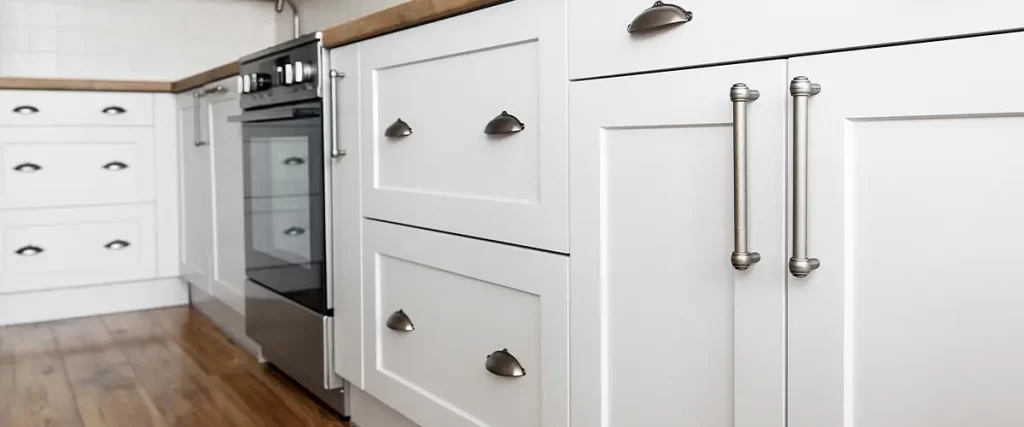
So, how do you decide which material works best for each space? It really comes down to the room’s function and environment. For areas with a lot of moisture, like a bathroom or a busy laundry room, MDF is a practical choice. Since it’s an engineered material, it resists warping and cracking from humidity much better than natural wood, as long as it’s properly sealed. Its smooth surface is also ideal for a flawless paint finish, giving you that clean, modern look. For high-traffic areas like a kitchen pantry or entryway, the durability of solid wood is hard to beat. It holds up to daily wear and tear, and its natural warmth and unique grain patterns add a timeless character, making it a beautiful and lasting investment.
Design and Style: What Works Best with MDF vs. Wood?
When deciding between MDF and wood cabinets, think about how they’ll fit into your home’s style:
- Modern Kitchens: MDF cabinets with a smooth, painted finish are perfect for creating a clean, contemporary look.
- Traditional Spaces: Wood cabinets with a natural stain or ornate detailing work well in more classic or rustic designs.
- Bold Colors: MDF handles bold paint colors beautifully, so if you’re planning to make a statement, it’s a great choice.
- Neutral Tones: Wood’s natural tones pair effortlessly with neutral color schemes for a warm and inviting feel.
Keeping Your Cabinets Looking New: MDF and Wood Care
No matter which material you choose, keeping your cabinets in great shape takes a little care.
MDF Maintenance
- Clean Regularly: Use a soft cloth and gentle cleaner to wipe away dirt and spills.
- Avoid Water Exposure: Always dry off spills quickly to prevent swelling.
- Inspect Paint: Touch up chips or scratches to keep the surface protected.
Wood Maintenance
- Polish Periodically: Use furniture polish or wax to maintain the shine and protect the surface.
- Humidity Control: Try to keep humidity levels stable to avoid warping.
- Refinish When Needed: Sand and refinish scratches or dull areas for a fresh look.
Common Questions About MDF Vs Wood Cabinets
1. Are MDF cabinets durable?
Yes, MDF cabinets are durable for everyday use. However, they’re more prone to dents and chips compared to wood, so they’re best suited for areas with moderate activity.
2. Can I repaint MDF cabinets?
Absolutely! In fact, MDF’s smooth surface makes it one of the easiest materials to repaint.
3. Are wood cabinets worth the extra cost?
If you’re looking for long-term value, wood cabinets are worth the investment. They’re durable, timeless, and can increase your home’s resale value.
4. Which material is better for a humid climate?
MDF, if properly sealed, performs well in humid areas. However, wood can expand and contract, so it’s less ideal unless you manage humidity levels.
5. Can I mix MDF and wood cabinets in my kitchen?
Yes, many homeowners do this! Using wood for visible areas and MDF for less-seen panels is a great way to balance cost and style.
Design Your Perfect Storage with Creative Closets
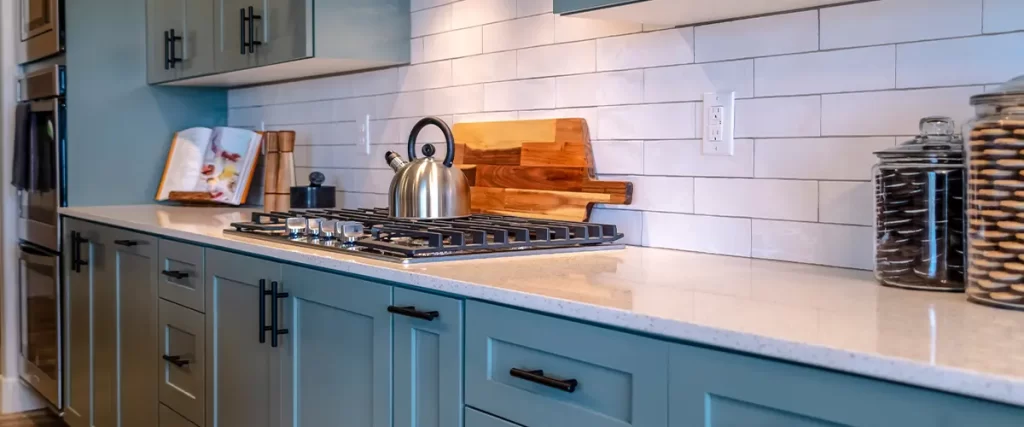
Choosing between MDF and wood cabinets is all about finding the right balance between style, durability, and budget. MDF offers a smooth, modern look at a lower cost, while wood provides timeless charm and long-lasting strength. Both are fantastic options when installed and maintained properly.
At Creative Closets, we specialize in crafting custom storage solutions that fit your needs and style. Whether you want sleek MDF cabinets or classic wood designs, we’ll help you make the perfect choice for your space. With expert craftsmanship and attention to detail, we’ll transform your home with cabinets you’ll love for years to come.
Ready to upgrade your storage in Maple Valley, WA? Contact Creative Closets today at (425) 428-5073 to schedule a consultation and start designing your dream cabinets!
Key Takeaways
- Select MDF for a flawless, modern finish: Its perfectly smooth surface is ideal for painted cabinets, offering a sleek look without any wood grain. It’s also a stable choice for humid rooms when professionally sealed.
- Choose solid wood for lasting beauty and value: Natural wood provides classic character and serious durability. It can be refinished for a lifetime of use and often adds to your home’s resale value.
- Get the best of both with a hybrid approach: You don’t have to pick just one material. Plywood offers a strong, warp-resistant middle ground, while combining wood frames with MDF panels gives you durability and a perfect surface for paint.
Related Articles
- Are MDF Cabinets Good? A Complete Breakdown
- MDF vs Wood Cabinets: Which One is Right for You?
- MDF Cabinets In Maple Valley, Issaquah, Renton, Kent, And More Of WA