

Loose tools and sagging panels are signs a garage wall needs a better system. The right wall storage makes everyday gear easier to find, store and protect.
Schedule your custom garage storage consultation to compare finished wall storage options designed around your space.
Pegboard alternatives for garage walls include slatwall panels, rail systems, metal or magnetic panels, open shelving zones and cabinet-forward wall storage. Each option solves a different problem: slatwall adjusts for changing equipment, rails keep long-handled gear reachable, and cabinets conceal supplies behind a finished face. For a busy garage, durability matters alongside daily visibility, cleanability, secure mounting and space for the items your family actually stores. Washington State University notes safe material storage helps reduce tripping, falling and struck-by-object hazards, supporting a clear floor and stable wall plan. For homeowners planning lasting organization, the strongest choice matches load, access and appearance, then fits into an integrated custom garage storage design.
Which system belongs on your wall depends on whether you store hand tools, sports gear, yard equipment, overflow supplies or all four. The next comparison is Pegboard alternatives for garage walls at a glance, so you can narrow the fit for your home. The path begins with:
Pegboard alternatives for garage walls at a glance
The best pegboard alternatives for garage walls depend on what the wall must hold and how often you reach for it. Start with item size, daily access, and the finish you want to see when the garage door opens.
A planned wall can pair open storage with closed storage, instead of asking one panel to do every job. Homeowners comparing custom garage wall storage systems can use the options below as a first filter.
Choices by wall function
There is no single right replacement for a perforated board. An open system keeps often-used gear in sight, while enclosed storage can hide supplies and reduce visual clutter.
| Wall storage choice | Useful for | Access style | Visual finish. |
|---|---|---|---|
| Slatwall | Mixed tools and sports gear | Hooks and baskets stay visible | Continuous paneled wall. |
| Rail or track system | Long-handled tools and bikes | Focused hanging points | Open, practical layout. |
| Metal or magnetic panels | Small metal tools | Quick grab-and-return use | Clean utility zone. |
| Cabinet-forward wall | Supplies and less-used gear | Items stored behind doors | Calm, built-in look. |
| Shelves with bins | Grouped household items | Lift-out bins by category | Organized open storage. |
Easy reach matters for tools you handle again and again. The ergonomics overview from the National Library of Medicine describes fitting work needs to the workspace while reducing injury risk. In a garage, that supports keeping regular-use tools visible and within a comfortable reach.
Open access or a calmer finish
Choose open wall storage when you need to see equipment before starting a task. Slatwall, rails, and panels make sense for hand tools, yard gear, and sports items that move often.
Choose cabinets when the goal is a tidier view, or when a group of items belongs together behind doors. Shelves with labeled bins sit between the two approaches: easy to scan, but less exposed than loose hooks.
The visual choice is personal, but it also guides upkeep. An open display makes missing tools easy to spot. Closed fronts help a garage look settled when it also serves as an entry to the home.
A practical starting plan
List the items by size and use before choosing a wall system. Keep routine gear in the easiest reach zone, then assign bulky or seasonal items to cabinets, shelves, or bins.
A garage can use more than one alternative. A cabinet wall with a short track or slatwall zone gives everyday tools open access, while storing overflow out of sight.
Why look beyond pegboard alternatives for garage walls?
Storage that adapts to changing gear
Pegboard can give small hand tools a clear home. Yet a garage often holds more than screwdrivers and pliers. A family may add bikes, yard tools, sports bags, or seasonal bins over time. Pegboard alternatives for garage walls are worth a look when storage needs may change.
Start by sorting items by size, weight, and how often they are used. Small hooks may suit daily tools. Cabinets, shelves, or wall tracks can serve bulkier items. This planning step helps keep items off walking paths. Washington State University notes that safe storage reduces hazards from tripping, falling, and objects that may strike someone.
Cleaner sightlines and easier upkeep
Open pegboard keeps every stored item in view. That can be useful above a workbench. It may be less appealing when paint cans, cleaning supplies, cords, or spare parts fill the wall. Closed cabinets can hide visual clutter. Open wall storage can remain where quick access matters.
Cleaning is also part of the choice. Before choosing a system, think about dust, wet shoes, garden soil, and items stored near a garage door. A clear floor and fewer loose piles make routine sweeping simpler. For ideas on sorting zones before choosing wall storage, see these garage organization tips.
A wall plan that works with cabinetry
A strong plan begins with the whole wall, not a single panel. Mark door swings, outlets, windows, parking clearance, and the reach height for each user. Then decide which tools should stay visible. Supplies can sit behind doors. This avoids placing hooks where a cabinet, work surface, or car door needs room.
Homeowners considering cabinets can compare depth, access, and wall space before choosing accessories. A cabinet run may handle supplies and bins. An open section can keep grab-and-go gear close. Creative Closets’ guide to durable wall-mounted storage solutions can help shape that layout decision.
What can you use instead of pegboard?
Instead of pegboard, use slatwall or track panels for hooks and baskets. Metal panels keep tools visible, while cabinets and shelves hold supplies and bins. The right choice depends on what you store and how often you reach for it. Many garages work best with more than one wall system.
Slatwall and track panels
Slatwall and track panels make sense when storage needs to change over time. They can hold hooks, baskets, sports gear, and garden tools in zones that can be reset as needs shift. Choose this option for an open wall where family members need quick access to items they use often.
Plan the wall by routine, not just by available space. Keep outdoor gear near the garage door, yard tools near the path outside, and cleaning items in their own area. For a tailored layout, see Creative Closets’ custom garage wall storage systems.
Metal panels and visible tools
A steel panel or magnetic rail can work well above a workbench. It keeps small hand tools in view, so it is easier to return each tool after a project. Reserve this setup for items that are clean, used often, and safe to keep exposed.
Visible storage should not become a crowded catchall. Place sharp or heavy items where they cannot fall into a walkway. Washington State University explains that sound materials storage safety helps reduce tripping, falling, and struck-by-object hazards.
Cabinets and shelving zones
Cabinets are a better fit for chemicals, automotive supplies, power tool cases, and items that make the garage look busy. Doors keep visual clutter down and help separate supplies from open activity areas. If children can reach the space, choose secure storage for products that need added care.
Shelving fits labeled bins, seasonal decor, coolers, and backup supplies. Use clear zones, such as sports, garden, car care, and holiday storage, rather than stacking unrelated items together. Cabinets, shelves, and wall panels can work as one system, giving each item a set home without relying on pegboard alone.
Slatwall vs. rails, cabinets and metal panels
Access and tool visibility
Slatwall keeps often-used hand tools, cords and small supplies within view and easy reach. Rail systems do a similar job with fewer contact points on the wall. They can suit a garage where the main need is hanging bikes, ladders or yard tools.
Metal panels also leave tools visible, which makes them helpful near a workbench. The right choice depends on what you reach for each week. A clear wall plan helps keep travel paths open. Stored materials should not add trip or falling hazards, as outlined by Washington State University’s storage safety guidance.
Capacity and the look of the room
Before choosing among pegboard alternatives for garage walls, sort items by size, weight and how often they are used. Slatwall makes it simple to move baskets and hooks as needs change. Rails may keep a wall visually open when there are only a few large items to hang.
Cabinets offer a calmer look because they hide loose supplies, sports gear and cleaning products behind doors. That also means tools are not visible at a glance. Metal panels can fit a utility-first work zone. Finished slatwall often suits a garage that also serves as an entry to the home.
Do not select a system by appearance alone. Map parking clearance, door swings and open floor paths before deciding where bulky gear belongs. Creative Closets can plan custom garage wall storage systems around the room and the items that need a home.
Pairing systems for bulky gear
No single wall system needs to handle every item in a garage. Use wall storage for the gear that benefits from quick access, then place less attractive or awkward items in cabinets. Bins, extra fluids and seasonal supplies may be easier to manage behind a closed door.
- Choose slatwall where hooks, baskets and changing storage positions support daily routines.
- Choose rails where a short run of hanging gear needs direct access.
- Choose cabinets where visual calm and concealed storage matter most.
- Choose metal panels where visible tools support hands-on projects.
A mixed plan can give each wall a clear purpose. For example, slatwall beside the garage door can hold grab-and-go items, while cabinets take bulky backup supplies. For more planning ideas, see these garage organization tips before assigning each zone.
How do you choose pegboard alternatives for garage walls?
Start with what the wall must hold
A useful wall plan begins with the items now taking up floor space, shelves, or corners. Group hand tools, yard tools, sports gear, cleaning supplies, and seasonal items. Note which pieces are heavy, bulky, wet, or used each week.
- List the items to store. Make a simple inventory by type, size, weight, and how often each item is used. This shows where wall storage helps and where cabinets make more sense.
- Choose what stays visible. Keep often-used tools and gear in easy reach on hooks, rails, or panels. A visible layout makes it easier to return each item after use.
- Reserve closed storage. Put small supplies, sharp tools, chemicals, or items that create visual clutter behind cabinet doors. Open wall storage does not need to hold everything.
- Measure working clearances. Record open wall width and height, then check parked-car doors, walk paths, outlets, switches, and garage door tracks. Leave space for safe movement and access.
- Plan one complete layout. Match wall storage, cabinets, and work areas before choosing hardware. A unified plan can reduce mismatched pieces and leave room for later storage needs.
Balance access, safety, and appearance
Pegboard alternatives for garage walls are easiest to compare after the inventory is complete. A homeowner may want open panels for garden tools, closed cabinets for supplies, and hooks for bikes or sports gear. The right mix depends on access needs, clearances, and the look of the room.
Storage choices also affect how people move through the garage. Washington State University’s guidance on material storage safety notes that storage practices help reduce tripping, falling, and struck-by-object hazards. Keep floor paths open and avoid placing awkward items where they can fall into parking space.
A coordinated design plan
Wall panels and cabinetry work best when planned as one system. Before selecting a finish or accessory set, review a layout for tools, closed storage, vehicle space, and future needs. Creative Closets outlines options for custom garage wall storage systems that can support this planning step.
A custom design appointment can help bring wall storage and cabinetry into one clear layout. Bring measurements, photos, and the item list to the conversation. That preparation makes it simpler to compare options against the way the garage is used each day.
When pegboard alternatives for garage walls make more sense
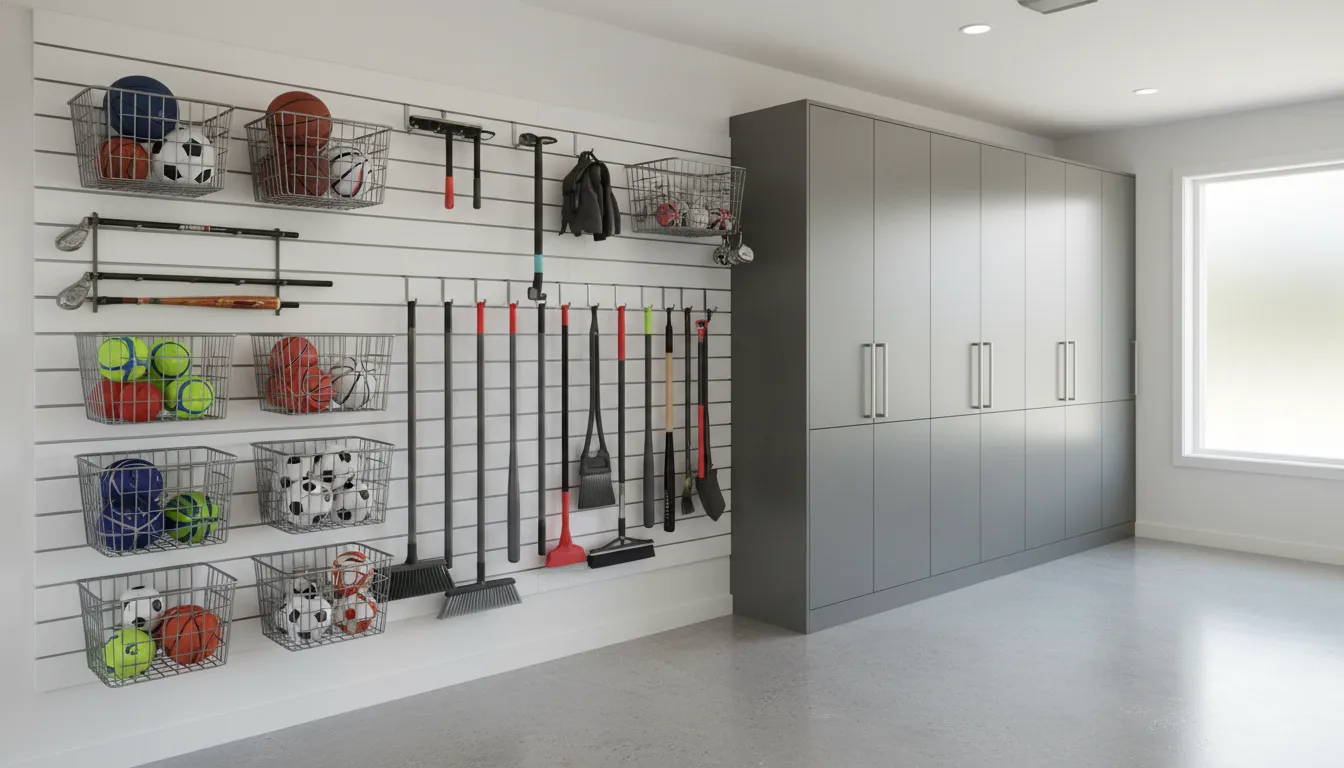
When open storage stops working
A simple pegboard can handle a few hand tools. It may feel less suited to a garage that holds bikes, sports gear, yard supplies, cleaners, and tools together. In that setting, the issue is not finding one more hook. It is deciding what should be visible, enclosed, easy to reach, or kept out of the way.
A designed wall is worth considering when floor piles or loose gear keep returning after cleanup. Safe storage matters as well. Washington State University notes that material storage safety addresses hazards such as tripping, falling, and being struck by objects. Cabinets and wall storage can give each type of item a planned place.
One plan for mixed gear
Homeowners often compare pegboard alternatives for garage walls when the garage serves more than one purpose. A custom plan can pair enclosed cabinetry with wall storage in the same layout. Sports equipment can stay near the door, tools can stay near a work area, and household storage can sit behind closed doors.
This approach also helps when several people use the space. Hooks or open racks can hold items used each week. Cabinets can reduce the view of backup supplies or less-used items. Creative Closets provides custom modular garage storage systems, so the wall plan can reflect the items the household needs to store.
- Open storage for bikes, helmets, and often-used tools.
- Cabinet storage for household supplies and less-used gear.
- A planned location for bulky items that tend to block the floor.
A calmer visual finish
Not every homeowner wants a full wall of visible tools and bins. A mix of cabinetry and wall storage can keep useful items close. It can also give the garage a neater view from the driveway or entry door. This matters when the garage is also a main path into the home.
A planned wall makes sense when storage needs, access, and appearance must work together. Creative Closets uses an in-home showroom model for custom design, pricing, and installation. Homeowners can review the process through the in-home showroom before deciding whether an integrated garage wall fits their space.
Frequently Asked Questions
What is the best wall covering for an organized garage?
The best garage wall covering depends on whether the wall must protect a surface, store gear, or do both. Slatwall panels support adjustable open storage, while cabinet fronts create a quieter, enclosed look. Rail systems suit a few larger hanging items. Many garages benefit from a planned mix, with visible storage for regular-use gear and cabinets for grouped supplies.
How do I choose pegboard alternatives for heavy or bulky garage gear?
Begin with the size, weight, and use pattern of each item. Rails can suit bikes, ladders, or long-handled tools, while cabinets can hold bulky supplies out of view. Before selecting accessories, review wall support, attachment requirements, and the manufacturer’s load limits. Keep door swings, vehicle clearance, and walking paths clear when placing larger stored items.
How long does custom garage wall storage installation take?
According to Creative Closets, most custom garage storage installations are completed in a single day. Timing can still depend on the wall layout, cabinetry, panel coverage, accessories, and site conditions. A design plan prepared before installation helps define where open storage, closed storage, and work areas will fit around vehicles, outlets, and doors.
Does moisture matter when choosing garage wall storage?
Yes. Garages can collect water from vehicles, wet outdoor gear, and changing weather at the door. Choose panel, cabinet, and hardware materials suited to the conditions in that garage. Also decide how surfaces will be cleaned before selecting an open system. Keeping wet gear in a defined zone can make the wall easier to maintain and protect nearby stored items.
Ready to Plan Garage Storage That Lasts?
Without a durable garage wall plan, bulky gear and frequently used tools can keep taking over floor space and slowing every cleanup, week after week. Waiting to upgrade storage can also leave you repeating the same sorting work instead of creating a reliable place for each item at home. Starting now lets you plan around your walls, your equipment, and your routines before another season of clutter sets the agenda again.
Make the next garage reset a lasting plan, not another short-term patch that shifts the problem from one corner to another. Ready to plan durable storage for your space? Schedule your custom garage storage consultation to create an organized starting point for daily use.