

A custom closet quote should tell you more than a number. It should show how the design will use your room, which materials and accessories are included, how installation is handled, and what happens next. That clarity matters for a walk-in closet, a reach-in, or storage throughout your home.
The best way to get a quote for custom closets is through an in-home design appointment. Creative Closets measures the space, discusses your storage goals, builds a bespoke design, and provides final pricing during one 60-90 minute visit. The company serves homeowners across King and Pierce Counties.
Book your free in-home design consultation
Because the quote is shaped around your room and routines, a useful conversation starts before the designer arrives. Consider what you need to store, which features would make daily access easier, and where you have clear priorities for materials or accessories. From there, the appointment can turn those decisions into a practical plan with no-surprise pricing and a clear path to installation.
This guide walks through the decisions that make a quote useful, from preparing an inventory to comparing the finished scope. It also explains which questions to ask before approving a design, so the proposal reflects the way you want the closet to function.
How Do You Get a Quote for Custom Closets?
Getting a quote begins with a conversation about how you use the room. Creative Closets combines the consultation, design, and pricing in one 60-90 minute in-home visit. A designer comes to your home and reviews the space. They develop a bespoke storage plan around your belongings, routines, and goals. You are not evaluating a generic package. You are seeing how a professional design can work in your actual closet.
Book your free in-home design consultation
What happens during the in-home visit?
The designer starts by looking at the room itself. They measure the available walls, ceiling height, corners, doors, and other constraints that affect the layout. They also consider how you move through the space and where storage needs to be easiest to reach. These details help determine whether the design should include features such as adjustable shelving, double hanging, corner storage, or dedicated areas for shoes and specialty items.
You will also discuss what the closet needs to hold. An honest inventory of garments, shoes, accessories, and specialty items gives the designer a clearer basis for planning. It can reveal where additional shelves, drawers, rods, or other organizational features would make the room more useful. Your preferences for appearance, finish, and the way the space should feel are part of the conversation too.
How does the design become a final quote?
As the designer reviews the room and your priorities, those details become a custom design rather than an off-the-shelf estimate. The scope, dimensions, materials, finish choices, and selected accessories all influence the final result. Creative Closets presents the design and final quote during the in-home design appointment. You can review what is included while the decisions are still fresh.
That approach makes the quote easier to understand. You can ask why a feature belongs in the plan, identify any changes you want, and see how the design supports the way you use the room. It also avoids promising a price before the space has been measured and the scope has been defined. For homeowners in King and Pierce Counties, the process is designed to be convenient, personal, and clear from the first visit.
Creative Closets is family-owned, based in Maple Valley, and has completed more than 8,000 installations since 2003. That experience supports a design conversation focused on both the look of the finished closet and the practical details required to make it work in your home.
What Should You Prepare Before the Design Appointment?
A little preparation helps your designer understand how the room needs to work in daily life. You do not need to create technical drawings or gather paperwork. Instead, think through what you own, what frustrates you now, and what you want the finished closet to make easier. The consultation, design, and pricing can happen during one 60-90 minute in-home visit, so your observations are valuable.
- Describe how you use the room. Is it a primary closet, a guest closet, a dressing area, or storage for more than one person? Point out awkward corners, difficult-to-reach areas, doors, windows, sloped ceilings, and anything that affects access. These room constraints help shape a practical design rather than a system that only looks good on paper.
- Make a simple inventory of what you store. Count or estimate shoes, folded clothing, and hanging garments. Separate long items, such as dresses and coats, from short items, such as shirts and jackets. Include specialty items like belts, scarves, handbags, luggage, or seasonal pieces. An inventory of garments, shoes, and specialty items is a useful starting point for planning the storage layout.
- Identify your hanging needs. Decide where you want more long-hang space and where you would use double hanging. If two people share the room, note whose clothing belongs in each area. Mention whether you prefer clothing at eye level, more folded storage, or easier access for everyday items.
- List shoes and specialty storage needs. Bring attention to the items that tend to become cluttered or difficult to find. Shoe storage, jewelry, ties, scarves, belts, handbags, and laundry may each need a different solution. Be specific about the items you reach for most often and those you want protected or displayed.
- Collect style preferences. Consider the look you want: calm and streamlined, warm and furniture-like, or designed to coordinate with the surrounding room. If you have inspiration photos, finishes, hardware, or trim you like, share them. You can also note features worth discussing, such as adjustable shelving, mirrors, lighting, or soft-close drawers.
- Plan for access and installation. Make sure the designer can enter the room and inspect the walls, floor, corners, and ceiling. If existing shelving or clothing needs to be removed, ask what should be cleared beforehand. Also mention pets, building access rules, parking limitations, or other practical details that could affect the visit.
- Separate must-haves from priorities. Write down the features that matter most, then identify options you would consider if the design allows. This gives the designer a clear way to balance storage capacity, appearance, and the scope of the project. The result is a more useful conversation and a quote based on your bespoke design, rather than an assumed package.
Creative Closets serves homeowners throughout King and Pierce Counties. Bring your questions and priorities to the appointment, and the designer can help turn them into a considered plan for the space.
Which Closet Features Change the Quote?
A custom closet quote reflects the design your room and routines require. The starting point is the space itself: wall dimensions, ceiling height, corners, doors, and windows. Uneven surfaces also determine how much usable storage can be created and how the system must be fitted and anchored. A straightforward reach-in closet may need a different approach from a walk-in with several walls and hard-to-use corners.
Next, the layout turns measurements into a storage plan. Double-hanging rods can add more hanging capacity within the same footprint, while adjustable shelving lets you reconfigure sections as your wardrobe changes. Corner units can turn underused space into functional storage. These are design choices, not automatic inclusions, so they should be shown clearly in the proposal.
| Feature | What it solves | Quote impact |
|---|---|---|
| Room dimensions and layout | Uses available walls, height, and corners around the room’s constraints | Changes the amount of material, installation scope, and design complexity |
| Materials and finishes | Sets the appearance, feel, and durability of the system | Different material and finish selections affect longevity, appearance, and price |
| Drawers and specialty storage | Protects and organizes folded items, jewelry, shoes, and small accessories | Adds components and design detail; jewelry drawers and pull-out features can increase complexity |
| Rods and adjustable shelving | Separates long and short garments and supports changing storage needs | Changes the internal configuration and the number of included components |
| Shoe, jewelry, and accessory storage | Keeps footwear, jewelry, ties, scarves, and other small items visible and orderly | Specialized racks, inserts, and pull-outs add selected features to the design |
| Lighting and other accessories | Improves visibility and adds convenience while getting ready | Optional features such as integrated lighting, mirrors, or premium hardware expand the scope |
Materials and finishes deserve specific attention. They influence more than color. The selection can affect the system’s longevity, appearance, and overall quote. Drawers, shoe storage, jewelry storage, pull-out baskets, and specialized racks also add useful organization, but each introduces additional components and decisions. The right choice depends on what you actually store, not on adding every available option.
Lighting, mirrors, soft-close hardware, and other accessories can make the room more comfortable and polished. Ask whether each item is included, optional, or excluded so the design and quote stay easy to understand. If you want to get a quote for custom closets, a free in-home design consultation gives the designer the information needed to price the completed design accurately.
What Materials and Finishes Should You Ask About?
A complete closet quote should describe more than the room dimensions and a total number. Materials, finishes, hardware, and construction details shape how the system looks, functions, and fits your daily routine. Asking about these choices early helps you understand what the design includes and makes it easier to compare quotes accurately.
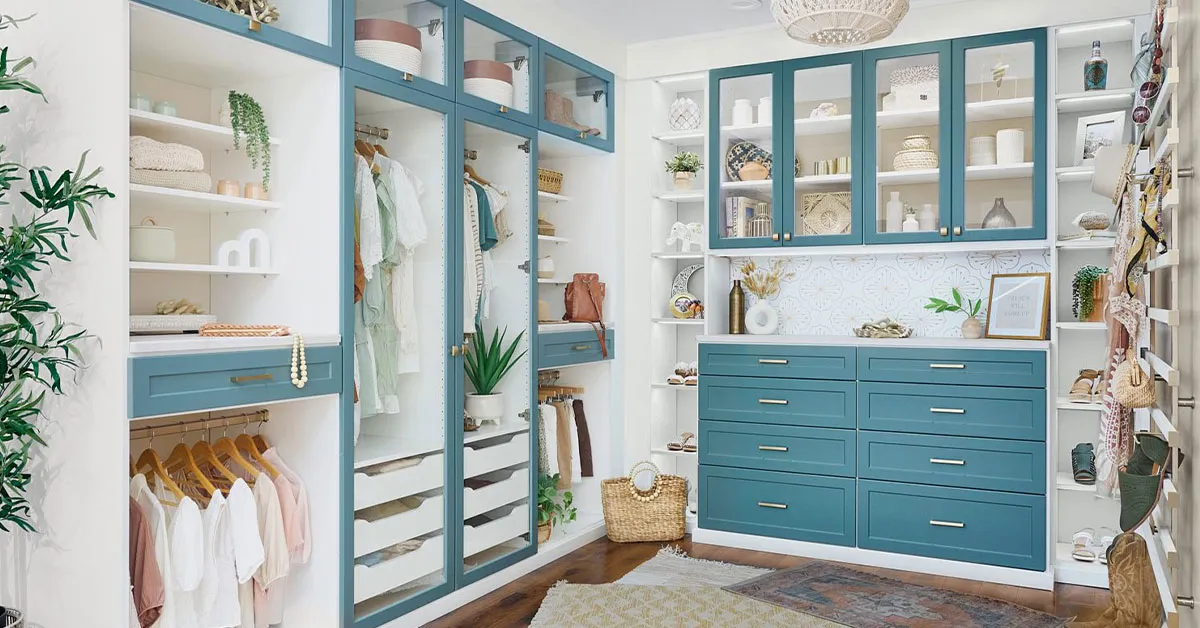
Creative Closets is an authorized Organizers Direct Industries dealer. Your designer can explain the available selections for your project and show how they support the overall design. The right choice depends on the space, the way you use it, the appearance you want, and the level of investment you have in mind. Material selection can affect both longevity and price, so it belongs in the conversation before the quote is finalized.
Material and finish choices
Ask what material is proposed for the closet components, how the finish will look in your room, and whether the quote identifies those selections clearly. A finish should coordinate with the rest of the home while remaining practical for the way the closet is used. It is also worth asking how visible edges, end panels, and transitions will be handled. These details contribute to the finished appearance and can distinguish a considered built-in design from a collection of separate parts.
Hardware and everyday function
Hardware deserves the same attention as the panels and shelves. Ask which drawer slides, hinges, rods, and handles are included, and whether features such as soft-close drawers are part of the design or optional upgrades. If you want a more tailored dressing space, discuss accessories such as mirrors, lighting, glass fronts, or velvet-lined drawers. These features can improve presentation and convenience, but they should be listed individually so you know exactly what your quote covers.
Construction and installation details
Finally, ask how the system will be built for your room’s specific constraints and how it will be secured during installation. The quote should make clear whether preparation, finishing details, and installation are included. If you are planning to get a quote for custom closets, request a design that connects the visible finish with the way the system will perform every day. A thoughtful discussion now helps prevent surprises later.
How Long Does the Custom Closet Process Take?
From the initial consultation to installation, the Creative Closets process takes three weeks. That timeline gives your designer time to confirm the room’s measurements and storage goals, finalize the design, prepare the system for production, and coordinate the installation. It also gives you a clear plan rather than a vague estimate.
What happens during the three weeks?
The process begins with an in-home design appointment. During one 60- to 90-minute visit, the designer reviews the space, discusses how you use it, and develops the custom plan with you. Measurements and room constraints guide the layout, while your preferred storage features, materials, and accessories shape the final scope.
Once the design is confirmed, the system moves into preparation and production. The quote should make clear what has been designed, what is included, and whether any decisions remain before production begins. It should also identify the expected scheduling process, so you know how installation timing will be coordinated.
Most projects are completed in one day. The exact work depends on the room and the design, but the installation includes bringing the custom components into the space, assembling the system, and securing it appropriately. You can review what to expect from the custom closet installation process before your appointment.
What should the quote clarify about timing?
A complete quote should connect the design to the schedule. Look for the planned scope of work, preparation requirements, production steps, installation expectations, and any customer decisions that could affect the sequence. If the room needs to be cleared or existing storage removed, ask when that preparation should happen.
When you get a quote for custom closets, ask the designer to walk through the full three-week timeline and explain how scheduling will be confirmed. That conversation helps you plan the room without promising a date that has not been established.
What Should a Complete Closet Quote Include?
A clear quote should help you understand exactly what is being designed, supplied, and installed. Before you approve it, review these details in order. A thoughtful quote is more than a total. It is a shared reference for the finished room.
- Room and project scope. Confirm the room, walls, openings, ceiling conditions, and any areas included or excluded. The quote should identify whether it covers a walk-in closet, reach-in closet, pantry, dressing area, or another storage space. Make sure the scope reflects how you plan to use the room, including clothing, shoes, accessories, luggage, or specialty items.
- Layout and dimensions. Look for a drawing, rendering, or similarly clear description of the proposed layout. It should show the location of hanging sections, shelves, drawers, corner units, and other major components. The design should account for the room’s actual measurements and constraints, not just a standard configuration. For more planning guidance, review this custom closet design guide.
- Materials and finishes. The quote should name the selected material, finish, color, edge treatment, and visible hardware when those choices have been made. These details affect appearance, durability, and the overall investment. Creative Closets is an authorized Organizers Direct Industries dealer, so ask which approved options are included in your design.
- Accessories and upgrades. Check whether features such as adjustable shelving, double hanging, shoe storage, specialty racks, lighting, mirrors, glass fronts, velvet-lined drawers, or soft-close hardware are included or optional. If an accessory is important to your routine, it should appear as a specific line item rather than an assumption.
- Installation responsibilities. Confirm what installation includes, how the system will be anchored, and whether removal, repairs, painting, or electrical work falls outside the project. Most Creative Closets projects are completed in one day. The quote should still explain site preparation and cleanup expectations.
- Timing and scheduling. Ask when the design is finalized, when production begins, and when installation is expected. Creative Closets’ verified timeline from consultation to installation is three weeks. The quote should state what could change that schedule.
- Warranty and workmanship. Confirm the warranty term, what it covers, and whether it transfers with the home. Creative Closets provides a lifetime transferable warranty on products and workmanship.
- Change policy and exclusions. Before signing, ask how design changes are handled after approval and whether they affect the schedule or total. Look for exclusions such as electrical work, structural repairs, painting, or work in areas outside the stated scope. Anything not included should be written plainly, so the quote remains useful from approval through installation.
How Can You Compare Custom Closet Quotes Fairly?
A fair comparison starts with matching the scope of each proposal. Confirm that every quote addresses the same room, wall sections, ceiling heights, and storage goals. A proposal for one reach-in closet is not directly comparable with a design that includes adjoining storage areas or additional cabinetry.
Review what is included
Look beyond the total figure and review the details line by line. The quote should identify the layout, shelving, hanging areas, drawers, shoe storage, specialty racks, and other accessories you discussed. Features such as adjustable shelving, corner units, and double hanging should be listed rather than assumed. Ask whether design revisions, site preparation, delivery, removal of existing components, and installation are included or excluded.
Materials and finishes deserve the same attention. Ask what construction materials, surface finishes, hardware, and edge details are specified. These choices influence the appearance, longevity, and overall value of the finished system. If two proposals use different materials or finish levels, comparing their totals alone can give you a misleading impression.
Compare the service, not just the system
The design experience is part of what you are evaluating. Find out whether measurements are taken in your home, whether the designer accounts for your clothing and daily routines. And whether you can review a visual design before approving the work. Creative Closets completes the consultation, design, and pricing during one 60-90 minute in-home visit, with the final quote based on the bespoke design.
Installation terms should be equally clear. Ask who performs the installation, how the system is secured to the room, what preparation is required, and when the work is expected to begin. Creative Closets describes a three-week process from consultation to installation, with most projects completed in one day. Read this guide to custom closet cost and value for more context on evaluating a storage investment.
Consider long-term value
Finally, review the warranty, workmanship coverage, change policy, and support after installation. Creative Closets offers a lifetime transferable warranty on products and workmanship. A complete comparison weighs clarity, fit, materials, installation, and ongoing protection together, so you can choose the proposal that best matches the room and the service you expect.
Get started with your free in-home design consultation
Frequently Asked Questions
These answers address the practical questions homeowners often have before they request a custom closet quote.
How much does a custom closet cost?
There is no responsible one-size-fits-all figure. The quote depends on the room’s dimensions, layout complexity, materials, finishes, and selected accessories. During your in-home design appointment, we review the space and your storage goals, then provide pricing for the bespoke design rather than a generic range.
What should I have ready before requesting a quote?
Think through what the closet needs to hold, including long and short garments, shoes, folded items, and accessories. It also helps to identify features you are considering, such as double hanging, adjustable shelving, drawers, or specialty racks. Your designer can then prioritize the features that best fit your routine and the available space.
Does the quote include installation?
Ask the designer to identify installation clearly, along with any preparation, removal, or access requirements. Custom systems are tailored to the room and anchored properly during installation. Your written quote should make clear what work is included and what, if anything, falls outside the project scope.
How long does it take to receive and complete a quote?
Creative Closets handles consultation, design, and pricing during one in-home visit. The typical timeline from consultation to installation is three weeks, and most projects are completed in one day. Your appointment is the right time to confirm scheduling details for your specific room and design.
Ready to Get a Quote for Custom Closets?
A thoughtful in-home design consultation gives you a clear way to discuss your storage goals, material preferences, accessories, installation, timing, and the questions that matter to your project. We will help turn those details into a design and quote you can review with confidence.
Book your free in-home design consultation