

Do garage cabinets increase home value? They can help a garage feel more useful, orderly, and cared for, which may support a buyer’s overall impression of the home. But cabinets do not guarantee a higher sale price or a specific return. The result depends on their condition, fit, usefulness, and how buyers in your area view the space.
Talk with a garage storage designer
For many households, the clearest benefit is practical: a planned storage system can get supplies off the floor, put frequently used items within reach, and make room for parking or projects. Those everyday advantages can make a garage easier to show and easier to imagine using. They are different from a promised resale return, so it helps to consider function and appearance separately.
How can garage cabinets affect a buyer’s impression?
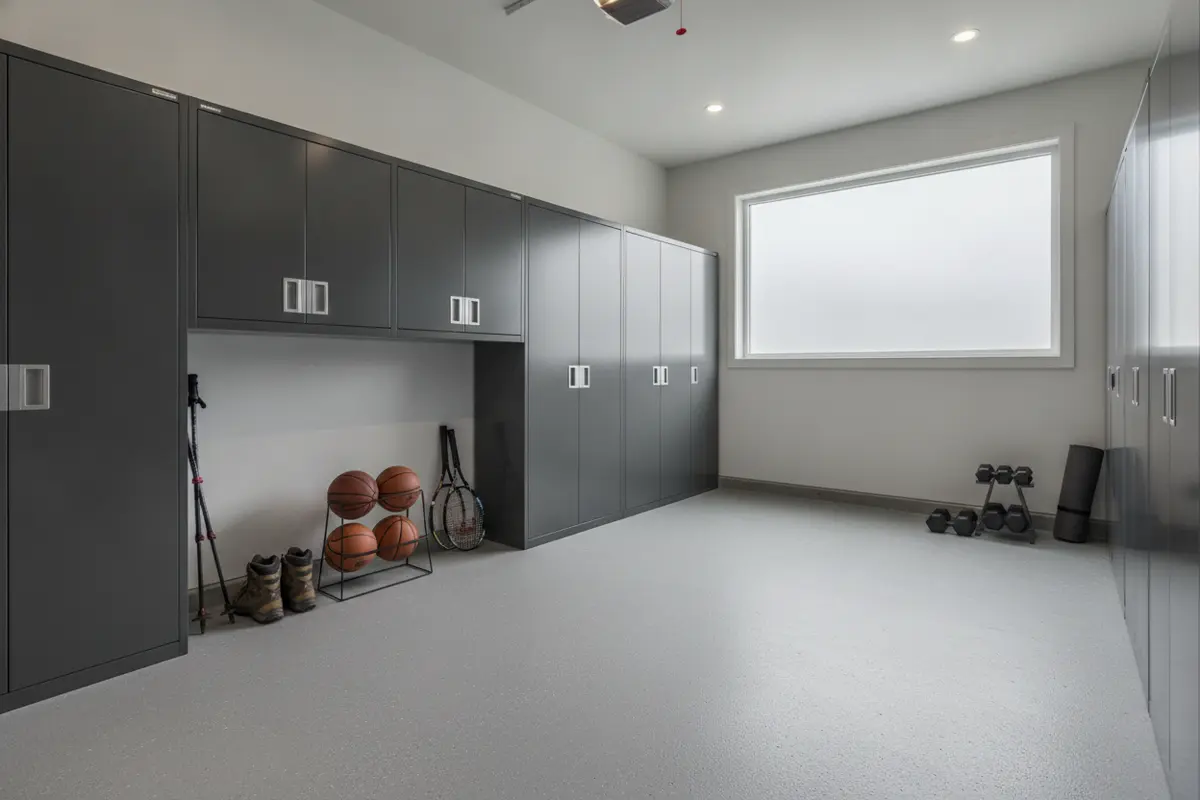
A garage is not usually the first room buyers think about, but it is part of the home they are evaluating. When cabinets are clean, secure, and arranged to fit the space, the garage can look intentional rather than like an overflow area. A clear path to the door, visible floor space, and supplies grouped in sensible places can make the room easier to understand at a glance.
That does not mean every buyer will assign a dollar amount to the cabinets. Some may value a finished storage solution; others may prefer open space or have different storage needs. Think of cabinets as one part of the home’s overall condition and usability, not as a stand-alone investment with a guaranteed payback.
There is also a difference between cabinets that help a garage work and cabinets that merely fill a wall. A useful layout can make tools, seasonal gear, cleaning supplies, and household projects easier to manage. A crowded installation that interferes with vehicle doors or blocks access can have the opposite effect.
Which qualities matter most for value and everyday use?
Start with the job the garage needs to do. If you park two vehicles, cabinets should not make that harder. If the room doubles as a workshop, plan for tools and a work surface. If sports equipment and seasonal decorations take over the floor, think about how to contain them while keeping frequently used items accessible.
- Good fit: Cabinet depth and placement should work with parked vehicles, doors, walkways, and garage entry points.
- Useful organization: Shelves, drawers, and enclosed storage should match the size and type of items you actually keep.
- Solid construction: Look for components suited to the conditions and use of your garage, with doors and drawers that operate smoothly.
- Clean appearance: A consistent finish and tidy installation help the system feel like part of the home rather than an afterthought.
- Accessible storage: Place daily-use items where they are easy to reach, and reserve higher or less accessible areas for items used less often.
- Room to adapt: Consider whether shelves or accessories can be adjusted as household needs change.
Materials are worth discussing, but the label alone does not tell you whether a particular cabinet is right for your space. Ask what the product is made of, how its surfaces handle routine garage use, and how it should be cleaned and maintained. If you are comparing material options, this overview of MDF and plywood cabinets can help you prepare questions about construction.
How do you plan a cabinet layout that fits the garage?
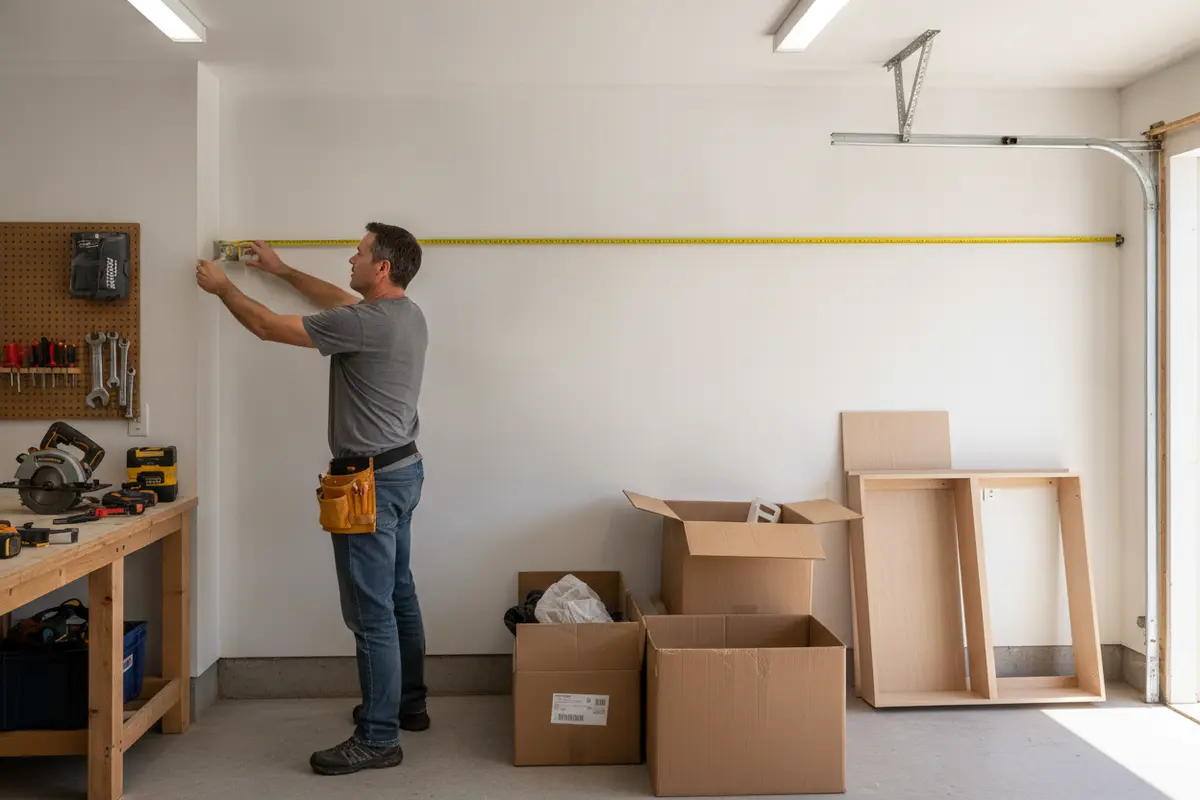
Before choosing cabinets, take stock of the space as it is used now. Measure the walls, note the locations of doors and windows, and mark where vehicles, recycling bins, ladders, and other large items need to go. Include the path people use to enter the house. A layout that looks spacious on paper may feel tight once doors swing open and cars are parked.
- Sort by use. Make a short list of items you want to store. Separate daily-use tools and supplies from seasonal gear and things you rarely need.
- Measure the clearances. Record wall lengths and obstructions, then consider vehicle width, door swing, and walking paths. Leave working room around anything that needs regular access.
- Assign zones. Group related items, such as garden supplies or sports gear. Keep potentially messy or frequently used categories in a place that is easy to reach and maintain.
- Choose the right mix. Use closed cabinets for items you want protected from view and open shelves or hooks where quick access matters. Do not assume every wall needs cabinets.
- Review the plan in context. Check that the proposed storage still leaves room for parking, taking out bins, and moving larger items in and out.
Photos of the garage can help clarify what is difficult to store and what should stay accessible. Also consider how your needs may change. A family may need space for sports equipment today and different storage a few years from now. Planning around both current routines and likely changes can make the system more useful for longer.
For more layout ideas, browse these garage storage solutions and garage cabinet design ideas. They can help you identify the types of storage that suit your household before you settle on a plan.
What can undermine the benefit of garage cabinets?
A cabinet system can be a poor fit even when its materials are sound. Common problems include cabinets installed where they block the garage door mechanism, storage that narrows a walking route, and a design that leaves no room for vehicles or work. A system that is too large for the wall can make the garage feel more crowded instead of more organized.
Installation quality matters too. Uneven alignment, doors that do not close properly, and hardware that feels loose are noticeable details. Before work begins, ask what preparation is needed, how the installation will be secured, and how the finished work will be checked. Keep the proposal and product details so you know what was included and how to care for the system.
Do not forget the existing condition of the garage. Cabinets cannot solve water intrusion, damaged walls, poor lighting, or a floor that needs attention. If those issues are present, decide whether they should be addressed before storage is installed. A clean, functional room often depends on several small improvements working together.
How should you compare the project cost with possible resale appeal?
There is no reliable single return figure that applies to every home and garage. The project’s value to you may include years of easier storage and a more usable space, while a future buyer’s priorities may be different. Instead of assuming the cabinets will pay for themselves at resale, estimate the full project cost and decide whether the daily benefit is worth it even if you do not recover the full amount when you sell.
Request a written scope that makes the comparison clear. It should identify what is included, the cabinet and hardware choices, installation details, and any conditions that could change the work. Compare proposals based on similar layouts and specifications, not only on the total number. A proposal that includes different storage capacity or installation work is not a direct comparison.
| Planning option | What it can offer | What to weigh |
|---|---|---|
| Keep the current garage and organize it | Minimal changes to the room; may improve access through sorting and repositioning | Whether current storage can meet your needs without built-in cabinetry |
| Add a focused cabinet run | Enclosed storage for a defined group of supplies | Wall space, cabinet depth, access, and how much storage is actually needed |
| Plan a broader storage system | Can combine cabinets with shelves, hooks, or other storage zones | Total scope, vehicle clearance, installation details, and whether the added features will be used |
If you are deciding whether to make a smaller change or plan a full update, this guide to garage makeover ideas offers another way to think through priorities. For a cost-specific checklist, see the custom garage cabinet cost guide. Actual project pricing depends on the chosen design and scope.
How do you prepare the garage for a storage project?
A little preparation makes the design conversation more useful and can help prevent missed details. First, walk through the garage at a normal time of day and notice where clutter gathers. Is it near the door from the house, beside the car, or around a workbench? That pattern can show which items need a dedicated home and which routines the design should support.
Next, sort belongings into practical groups rather than trying to plan a cabinet for every object. For example, create separate categories for hand tools, gardening supplies, sports equipment, cleaning products, and seasonal decorations. Note items that need to remain easy to reach, items that are bulky, and anything that should not be stored in a closed cabinet. This list gives a designer a clearer picture than a general request for more storage.
Before finalizing a layout, test the intended arrangement with the largest items. Measure the car and the space needed to open its doors. Check whether a stroller, bicycle, or lawn equipment can move past the parked vehicle. Consider the route for carrying groceries into the house and for rolling bins to the curb. These ordinary movements often reveal a clearance issue that a wall measurement alone will not catch.
It also helps to decide what should stay visible. Frequently used tools may be easier to retrieve on a hook or open shelf, while household supplies or items you would rather keep out of sight may suit enclosed storage. If you use a work surface, reserve a clear area above or beside it for the tasks you perform. The goal is not to put every object behind a door; it is to make the room easier to use and maintain.
How can you make the garage feel ready for a showing?
If resale is on your mind, focus first on showing the garage’s usable space. Remove loose items from the floor where possible, group what remains, and make sure cabinet doors and drawers open freely. A buyer should be able to see where a car could park, how someone can walk through the room, and what the storage holds without having to move piles out of the way.
Keep the contents sensible and orderly rather than trying to make the cabinets look as if they are unused. A few clearly grouped items can demonstrate how storage works. Avoid overfilling shelves or leaving heavy-looking stacks on top of cabinets. If some belongings are being taken with you, make that clear in your own listing plans so buyers do not assume the contents are part of the home.
Before photos or showings, wipe visible cabinet surfaces, clear the worktop, and move bins or equipment away from important walkways. Check that lighting works and that the entry to the house is not blocked. These modest steps help the garage read as functional. They do not require a major project if the existing storage already meets your needs.
What should you ask before choosing a garage cabinet system?
Clear questions help you compare providers and avoid assumptions. Ask how the design will account for your vehicles and fixed features, what materials and finishes are included, and how the installation will be completed. You can also ask what maintenance the system needs and what support is available if a door, drawer, or component needs attention later.
- How will the layout preserve parking and walking clearance?
- Which items and storage zones does the design account for?
- What cabinet materials, finishes, and hardware are specified?
- How will the cabinets be installed and checked when the work is complete?
- What is included in the written proposal, and what is outside its scope?
- Can the design be adjusted if household storage needs change?
These questions are useful whether you are planning one cabinet run or a larger garage storage project. Creative Closets offers custom garage cabinets and designs storage for homes in King and Pierce Counties. You can also explore its garage storage services in Maple Valley to see a locally relevant option.
Do garage cabinets increase home value? FAQs
Will garage cabinets raise my home’s sale price?
They may help the garage look more organized and useful, which can contribute to a positive impression. No cabinet project can promise a particular increase in sale price. Local buyer preferences, the home’s condition, and the quality and fit of the installation all matter.
Are cabinets better than open shelves for resale?
Neither is automatically better. Cabinets conceal supplies and give the wall a more finished appearance, while shelves can make frequently used items easier to see and reach. Choose the combination that supports your storage needs and preserves clear space.
Should I install cabinets before listing my home?
Start by looking at what the garage needs most. Sorting, cleaning, and clearing the floor may be enough to make the space easier to understand. If cabinets address a real storage problem and can be installed neatly without crowding the room, they may be worth considering, but do not assume the sale will repay the full project cost.
How do I know how much cabinet storage I need?
List the items you want to store, group them by how often you use them, and measure the available wall space. Then check clearances with vehicles and doors in their normal positions. A thoughtful layout is more useful than filling every open wall.
Request a garage storage consultation
Well-planned garage cabinets can improve daily function and contribute to a home that feels cared for, but their resale effect varies. Choose a design that fits your household, leaves the garage easy to use, and makes sense for your plans whether you sell soon or stay for years.