

Do custom closets increase home value? They can improve buyer appeal and make a home more useful, but no closet project guarantees a specific return at resale. The strongest value comes from a well-proportioned design, durable workmanship, clear documentation, and a layout that feels like a natural improvement to the room.
Schedule your free custom closet design consultation
Can custom closets increase home value?
Custom closets can support home value in two ways: they improve the experience of living in the home now, and they can give future buyers a practical feature to notice. The resale effect varies by property, neighborhood, closet condition, project scope, and buyer priorities. Think of resale value as possible added appeal, not a promised dollar-for-dollar return.
A buyer may not assign a separate line item to a closet during an appraisal, yet a finished storage system can influence how the entire home feels during a showing. A bedroom with organized hanging space, drawers, and shelves is easier to understand than a room with crowded freestanding furniture. In a competitive market, that clarity can help a home stand out without changing its square footage.
That distinction matters because online articles often present a single return-on-investment percentage as if it applies everywhere. It does not. The 2025 Remodeling Impact Report from the National Association of REALTORS discusses buyer demand, homeowner satisfaction, and estimated cost recovery across many projects. It is useful context, but it is not a guarantee for one closet in one Washington home.
What kind of value does a custom closet provide?
The most dependable value of a custom closet is daily utility. A system that makes clothing, shoes, accessories, and seasonal items easier to store can reduce friction every day. That benefit belongs to the current homeowner, even if the project is never marketed for sale. Resale appeal is an additional possibility that depends on how well the design fits the home and the expectations of its next owner.
- Usable capacity: Vertical storage, double-hang sections, shelves, and drawers can make more of the existing closet footprint useful.
- Better presentation: A cohesive system can make a bedroom or dressing area look finished, calm, and intentional.
- Easy evaluation: Buyers can see where clothing, shoes, linens, or accessories belong instead of having to imagine a solution.
- Long-term flexibility: Adjustable components can make the space easier to adapt as storage needs change.
- Less furniture crowding: Built-in storage may reduce the need for bulky dressers or temporary organizers in the room.
These benefits are strongest when the closet solves a real problem without taking useful space away from the bedroom. A beautiful system that makes the room difficult to navigate is not a strong improvement. The design should protect comfortable movement, natural light, doors, windows, and the room’s intended use.
Which closet improvements are most likely to appeal to buyers?
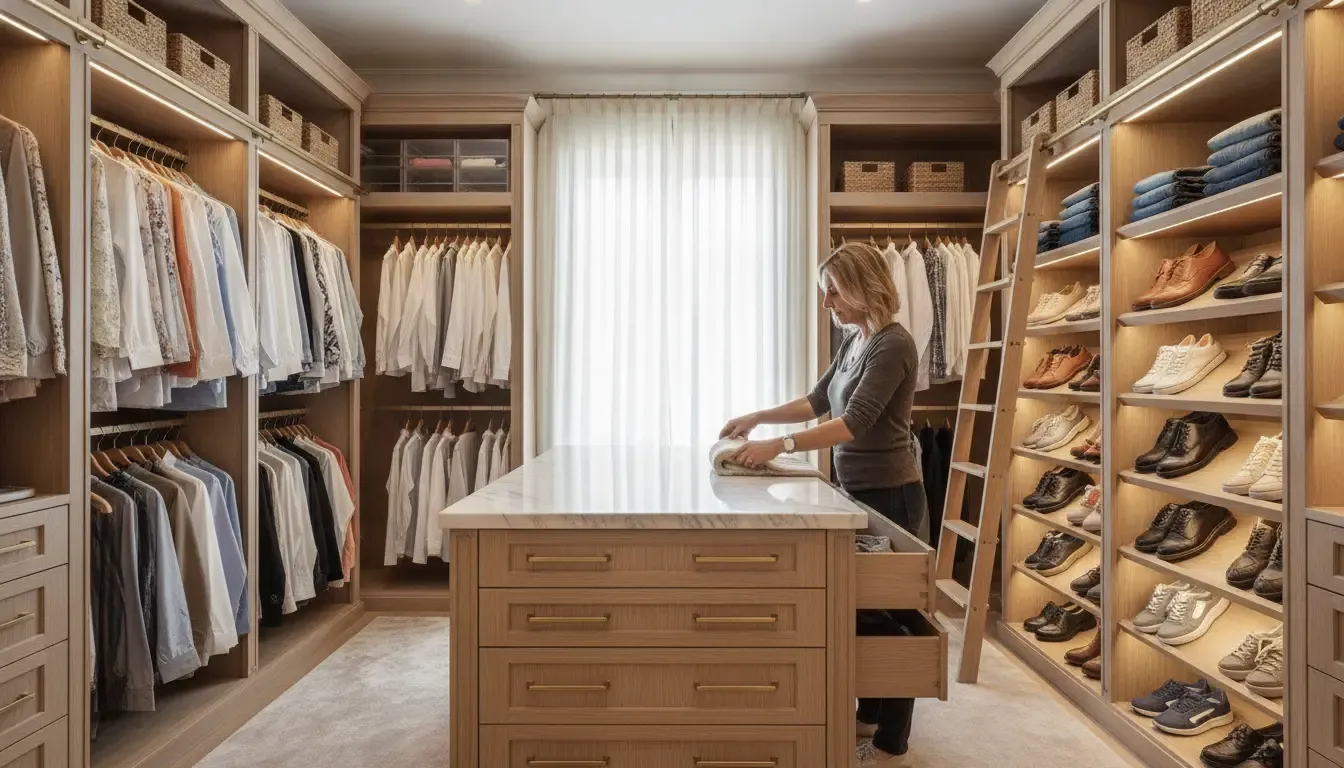
Buyer appeal usually comes from function that is easy to understand. A well-designed reach-in closet can be just as meaningful as a large walk-in closet when it makes a small room work better. The best improvements feel durable, proportional, and ready to use rather than overly personalized or difficult to maintain.
1. A layout built around the room
Good planning accounts for the actual wall length, ceiling height, door swing, windows, outlets, and walking path. In a walk-in closet, the design should leave comfortable clearance around islands or seating. In a reach-in closet, the system should use vertical space without making the opening feel crowded.
2. A practical mix of storage types
Most homeowners need more than one long shelf. Hanging sections, adjustable shelves, drawers, shoe storage, and accessory zones can help the space serve several routines. The right combination depends on what the homeowner owns, not on adding every available feature.
3. Finishes that coordinate with the home
Neutral or complementary colors are generally easier for future buyers to picture in their own home. This does not mean a closet must be plain. Hardware, door fronts, lighting, and carefully chosen finish details can create a polished result while keeping the overall design broadly appealing.
4. Components that operate smoothly
Drawers that align, doors that close properly, shelves that feel secure, and rods placed at useful heights all contribute to perceived quality. Buyers may not know the product specifications, but they notice when a storage system feels solid and thoughtfully installed.
Why does workmanship matter more than the word custom?
The word custom describes how a system is planned, not whether it will add value. Workmanship determines whether the result looks like a lasting part of the home. Straight lines, clean edge details, secure mounting, consistent gaps, and careful finishing can make a larger impression than an unusually elaborate accessory package.
Ask how the installer handles wall conditions, uneven surfaces, trim, transitions, and final adjustments. Also ask what happens to the old system and installation debris. A professional process should leave the room functional and presentable, with the homeowner able to understand how each component works.
Creative Closets describes an in-home showroom process that combines measurement, design, and material selection in the home where the system will be installed. Its team also emphasizes professional installation and a final walkthrough. Those process details matter for value because they reduce the gap between a drawing and the finished room.
For a closer look at the company’s broader approach, visit the Creative Closets custom closet systems page. It explains the main closet types, finish choices, adjustable shelving, and accessory options without suggesting that every home needs the same design.
How does warranty documentation affect resale confidence?
A transferable warranty can make a custom closet easier to explain when a home changes owners. It does not automatically increase an appraisal or guarantee a higher sale price. It can, however, give a buyer more confidence that the installation and materials are supported after closing, especially when the homeowner keeps the original agreement and care information.
Creative Closets states that its lifetime guarantee covers custom closet materials and workmanship, subject to the terms of the guarantee. The company also describes the warranty as transferable when the home is sold. Homeowners should retain the actual warranty documentation and confirm the transfer process before representing coverage to a buyer.
Documentation is useful beyond warranty language. Keep the final design, finish information, installation date, care instructions, and any service records together. If a future buyer asks what was installed or how it should be maintained, a clear record is more helpful than a verbal claim.
Read the Creative Closets lifetime warranty information for the current coverage details. The page is the appropriate source for the terms, exclusions, and transfer information.
What should Eastside homeowners consider before investing?
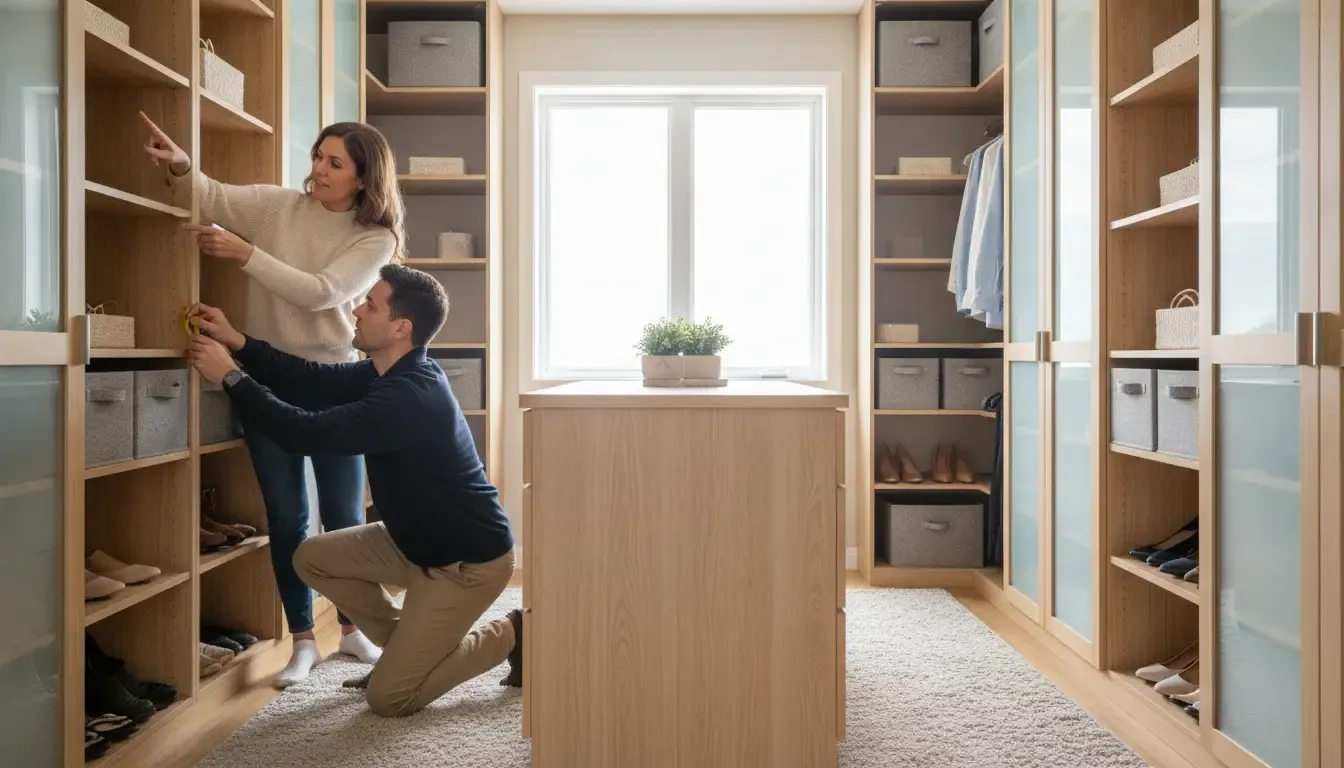
Home value is local. A storage upgrade that feels appropriate in a Bellevue or Kirkland home may need a different scale or finish in a smaller property elsewhere in King or Pierce County. Neighborhood price point, bedroom size, existing storage, nearby comparable homes, and the likely buyer all influence how an improvement is perceived.
Homeowners in Bellevue, Redmond, Kirkland, Sammamish, Maple Valley, and surrounding communities should start with the home’s existing strengths. A closet project may make sense when storage is visibly inadequate, a primary suite has unused wall space, or an outdated system makes an otherwise well-kept room feel unfinished. It may be less sensible when major maintenance needs, poor lighting, or an awkward room layout are more obvious concerns.
Do not choose a design solely because it sounds luxurious. A smaller, well-planned reach-in system can be a better fit than an oversized build that reduces usable bedroom space. The goal is a natural improvement that supports the home’s function and presentation.
Talk with a Creative Closets designer about your home’s storage needs
Should you remodel a closet before selling, or for yourself?
The best timing depends on the homeowner’s reason for doing the work. If a move is several years away, daily utility and durability may deserve the most attention. If the home may be listed soon, prioritize a clean, broadly appealing design and preserve the room’s comfort instead of adding highly personal features that a buyer may not use.
| Situation | Value question to ask | Practical design priority |
|---|---|---|
| Living in the home long term | Will this make daily storage easier? | Choose durable materials, useful zones, and flexible components. |
| Preparing to list soon | Will a buyer understand the benefit quickly? | Favor clean lines, coordinated finishes, and documented workmanship. |
| Improving an underused room | Does the storage help the room function as intended? | Protect walking space, light, access, and the room’s primary purpose. |
| Replacing a damaged system | Does the new installation correct visible quality problems? | Address alignment, secure mounting, finish consistency, and repairs. |
This framework keeps the decision grounded. A project chosen only for a hoped-for sale result carries more uncertainty than one that also improves the homeowner’s life for the years before a sale.
What does a custom closet project usually include?
A custom closet project typically includes an assessment of the space, a design that reflects the homeowner’s storage needs, finish and accessory selections, an installation plan, and a final quality review. The exact scope varies by room and should be confirmed in the consultation rather than assumed from a photograph or a generic package.
Creative Closets brings its showroom experience into the home. According to the company’s process description, a designer can measure the space, create a three-dimensional design, discuss options, and provide final design and pricing information before leaving. That makes it easier to evaluate the proposed system in the context of the actual room.
The company serves homeowners with walk-in, reach-in, and wardrobe closet projects across King and Pierce Counties. Installation timing depends on the project and current scheduling, so ask for a current estimate. A one-day installation may describe the on-site installation itself, not every step from consultation through completion.
The Creative Closets team and service approach page provides additional background on the local, family-owned company, its in-home showroom model, and its installation team. This kind of business information can help homeowners compare service quality, not just cabinet appearance.
How can homeowners evaluate the value of a closet quote?
A useful quote should explain what is included, how the design fits the room, what materials and hardware are specified, and what support continues after installation. Comparing only the total number can hide differences in layout, preparation, installation quality, documentation, and warranty terms.
- Confirm that measurements account for doors, trim, windows, outlets, and walking clearance.
- Ask which shelves, rods, drawers, and accessories are included in the proposed design.
- Review finish samples in the home’s lighting rather than relying only on a screen.
- Ask who will complete the installation and how final adjustments are handled.
- Request the warranty terms and understand what documentation should be saved.
- Check that the design supports the room’s primary purpose and does not reduce its appeal.
For homeowners considering Creative Closets, the consultation is a chance to ask these questions without committing to a design that does not fit. A thoughtful decision weighs the home’s needs, the quality of the proposed work, and the time the homeowner expects to enjoy the result.
Request an in-home custom closet consultation
Frequently asked questions
Are custom closets a good investment?
They can be a good investment when the system improves everyday storage, fits the room, and is built and installed well. Resale appeal is possible, but a specific return depends on the home, market, project scope, and buyer preferences. Choose the project for useful long-term value first.
Do custom closets increase home value more than portable storage?
Built-in storage can look more integrated and use the room’s dimensions more effectively than portable pieces. That may improve presentation and buyer appeal, but it does not guarantee a higher sale price. The right choice depends on the room, the home’s style, and whether the system can remain useful to the next owner.
Does a walk-in closet always add more value?
No. Size alone does not determine value. A well-planned reach-in closet can be more useful than an oversized walk-in design that removes bedroom space or feels difficult to navigate. The strongest result is proportional to the home and makes the storage benefit easy to understand.
Can a transferable warranty help when selling a home?
It can give a buyer additional confidence when the coverage is documented and the transfer requirements are clear. A transferable warranty is not a promise of a higher appraisal or sale price. Keep the warranty, design, care, and installation records together and confirm current terms with the provider.
How should I decide whether to install a custom closet before listing?
Consider whether the existing closet is visibly inadequate, whether the upgrade preserves room function, and whether the design will appeal broadly. If major repairs or presentation issues need attention first, address those priorities. If the closet is a clear weakness, a measured and coordinated system may strengthen the showing experience.
Ready to plan a custom closet for your home?
Custom closets can add meaningful utility and may improve resale appeal when they are thoughtfully designed, well installed, and supported by clear documentation. The safest decision is one that works for your household today while fitting the scale and character of your home.
Schedule your free in-home design consultation