

Choosing among the best closet design companies is less about finding a flashy portfolio and more about understanding how each provider will handle your space, belongings, timeline, and questions. A thoughtful comparison starts before you review the final estimate: pay attention to the consultation, the level of detail in the proposal, and how clearly the team explains your options.
The best closet design companies make the decision easier by connecting consultation, materials, customization, warranty, installation, and communication into one clear process. Ask what you will see, receive, and approve at each stage. Then compare project fit and documented scope rather than relying on a low quote or polished photos alone.
Schedule your free in-home design consultation
The first useful test is the consultation itself. When a designer measures carefully, asks about how you use the space, and shows how the proposed solution will function, you have a stronger basis for comparing providers and deciding whether the project feels genuinely collaborative.
What Should the Best Closet Design Companies Show You During a Consultation?
A productive consultation should feel like a working design conversation, not a quick sales presentation. The designer should ask about your current storage frustrations, the belongings you need to organize, how you use the room, and what may change in the future. Those questions help determine whether the proposed custom closet systems fit your actual routines.
Look for a process that turns your answers into a plan
Measuring is an important starting point, but it should not be the entire appointment. Ask how the designer will account for doors, trim, outlets, ceiling height, walkways, and other features that affect usable space. A thorough in-home consultation should connect those measurements to a practical layout rather than treating the room as an empty rectangle.
Visualization is another useful checkpoint. Creative Closets describes a free 60-90 minute in-home consultation that includes discussing needs, measuring the space, and creating a 3D design during the appointment. Seeing a proposed arrangement can make it easier to evaluate hanging space, shelving, drawers, and access before installation. You can learn more about the process in this in-home closet design consultation guide.
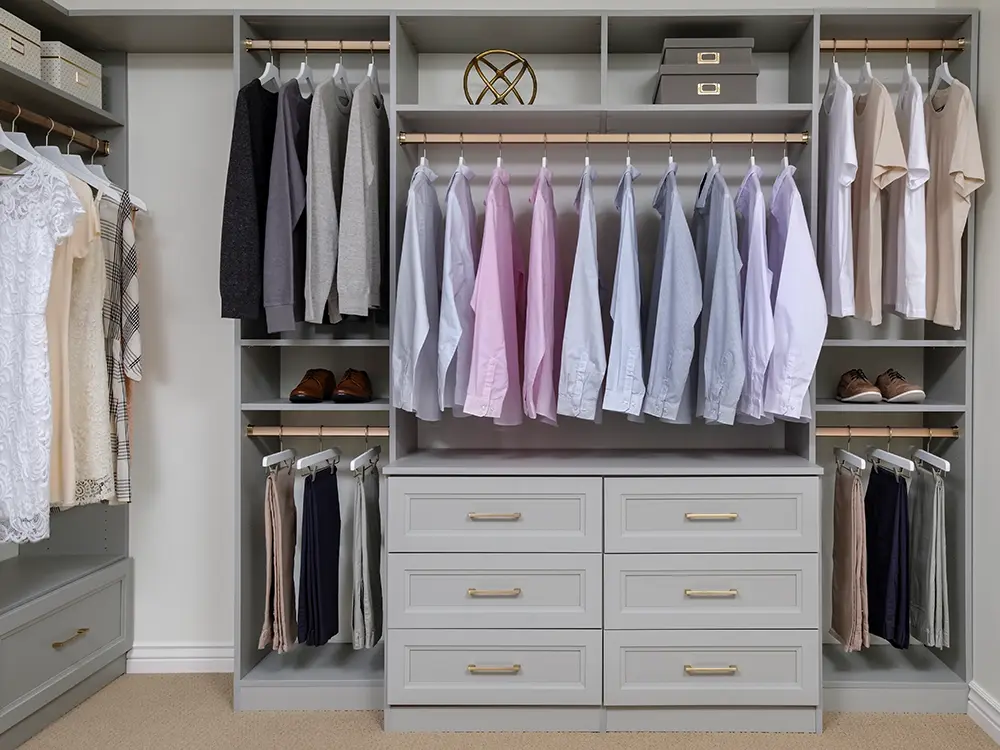
Ask whether changes can be made while you review the design. A collaborative process should give you room to adjust priorities, finishes, and components as you see how the plan comes together. It should also make clear how those choices affect the scope and itemized cost, rather than leaving important details until the end.
Finally, notice how the designer responds to questions. Can they explain why a layout suits your belongings? Do they acknowledge limitations, suggest alternatives, and summarize what happens next? Clear answers, careful listening, and a design you can understand are stronger selection criteria than a polished presentation alone.
Which Materials and Custom Features Fit Your Home?
A well-planned storage system should reflect how you use the room, not just how the space looks in a showroom. Ask each company to explain the construction, available finishes, hardware, accessories, and adjustment options in terms you can compare. The goal is not to choose the most features. It is to choose components that suit your belongings, routines, space, and plans for the home.
What should you ask about construction and finishes?
Start by asking what materials are used for the system’s main surfaces, shelves, drawer parts, and finished edges. Request samples when possible, then consider how each finish will work with the surrounding room and the level of visual detail you prefer. A clear explanation should distinguish appearance from construction, so you understand what you are selecting rather than relying on a broad label such as premium or durable.
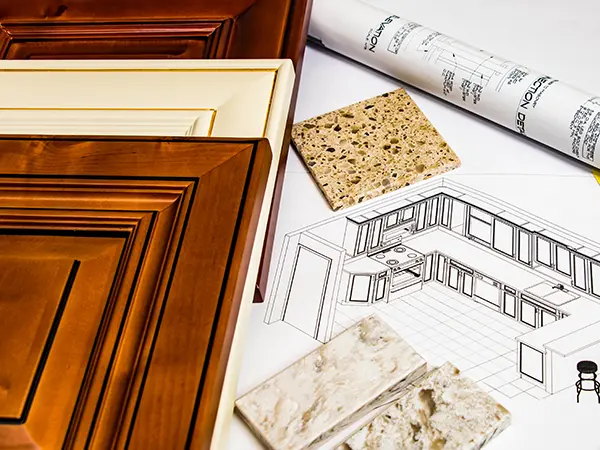
Customization should also include the way the system functions. Discuss hanging areas, shelves, drawers, baskets, shoe storage, lighting, and other accessories in relation to what you actually store. Ask which components can be adjusted later and which changes would require new parts or professional service. This conversation can reveal whether the design is genuinely collaborative or simply a preset package.
For a closer look at construction terminology and finish choices, review the custom closet materials guide. If your household needs may change, ask about future closet system modifications before approving the design. Understanding those options early can help you compare proposals on long-term fit, not just the initial appearance.
How Can You Compare Proposals Without Chasing the Lowest Price?
A proposal is useful only when you can tell what you are receiving, how the project will proceed, and what is expected from each side. Compare multiple written estimates, and if proposals differ substantially, ask each provider to explain why before deciding.
Compare the scope and clarity of each proposal before comparing the bottom line. A lower-looking estimate may leave out preparation, removal, hardware, installation details, or other work that another provider included. For additional planning context, review this guide to closet design cost planning.
| Criterion | Questions to ask | What a clear answer includes |
|---|---|---|
| Scope of work | What exactly will be designed, supplied, installed, removed, or prepared? | A room-by-room description of components, labor, preparation, removal, cleanup, and any exclusions. |
| Materials and components | Which materials, finishes, hardware, accessories, and quantities are included? | Enough detail to match the written proposal to the design, selections, and intended use of the space. |
| Schedule | When is work expected to start and finish, and what could change those dates? | Estimated start and completion dates, along with a process for communicating schedule changes. |
| Written agreement | Will the proposal and project promises be included in a contract? | The contractor’s identity and contact details, project scope, materials, dates, responsibilities, and documented changes. |
| Communication | Who answers questions, and how are revisions or unexpected issues handled? | A named point of contact and a written method for confirming decisions rather than relying on verbal promises. |
Before signing, request a written agreement, read it carefully, and document promises about scope, labor, and materials. A clear proposal makes differences easier to understand and helps you choose the provider whose process fits your home, priorities, and expectations.
What Should a Warranty and Service Promise Cover?
A warranty is more useful when you understand exactly what it protects and how support works after installation. When comparing closet providers, ask whether the coverage applies to the products and workmanship, whether it transfers to a future homeowner, and where the current terms are documented.
Questions to ask before you sign
Ask how the warranty handles the installed system, including shelves, rods, drawers, doors, and hardware. Do not assume every component has identical coverage. A clear provider should explain the applicable terms and identify any conditions, exclusions, or claim steps in writing rather than relying on a verbal promise.
Creative Closets states that its products and workmanship carry a lifetime transferable warranty. Review the current Creative Closets guarantee and custom closet warranty coverage pages for the details that apply to your project. Transferability can matter if you expect to sell your home, but the written terms should remain your source of truth.
Also compare what happens after the installation is complete. Ask whom to contact, how a concern is documented, and what follow-up service includes. Details about preparation, cleanup, and ongoing help should be part of the overall service conversation. The closet installation support guide can help you evaluate that process alongside the warranty itself.
What Should You Ask About Installation and Communication?
A finished design is only part of the experience. Before approving a proposal, ask what happens on installation day, who coordinates the work, and how updates will be shared. Clear answers help you compare the complete service rather than evaluating a design in isolation.
What does the installation plan include?
Ask whether the team will remove and dispose of an existing closet system, prepare and spackle the walls, stage materials, and protect the surrounding area. Confirm what cleanup is included after the work. Creative Closets describes installation services that include removal and disposal, wall preparation, staging, and post-installation cleanup with debris removal.
Timing should be specific to your project. Creative Closets reports that about 95% of projects are completed the same day, but that is a typical outcome, not a promise for every space. Ask what could extend the schedule, when the work is expected to start, and when completion is anticipated. Document estimated start and completion dates in the contract.
Also ask what happens if you want to adjust the design before installation. Find out who your point of contact is, when changes must be finalized, and whether a revision changes the scope or schedule. Put promises about the work scope, labor, and materials in writing. A written proposal should make those commitments easy to review before you sign.
Finally, ask how support works after installation. Knowing where to turn if an adjustment or service question arises can make the process feel more complete. Review the details of closet installation support before choosing a provider.
How Do You Match a Closet Company to Your Project?
The right provider should be able to show that its design process fits the space, storage goals, and level of customization you need. A walk-in closet, reach-in closet, wardrobe, pantry, mudroom, or garage project may require different measurements, components, and installation planning. Compare the company’s relevant experience and process rather than relying on a general list of services.
Look for experience with your type of space
For a walk-in closet, ask how the design will use multiple walls, corners, hanging zones, shelving, drawers, and available floor space. A walk-in closet design should reflect how you actually get dressed and store items, not simply fill every wall.
Reach-in closets call for careful attention to limited depth, door clearance, visibility, and access. Review the provider’s reach-in closet options and ask how the proposed layout handles those constraints. For wardrobes and other home-storage areas, ask whether the same design approach can be adapted to the room’s dimensions and your belongings.
A portfolio can help you judge this fit. Browse a closet project gallery for examples of completed spaces, then ask which parts of an example could translate to your home in King or Pierce County. The strongest conversation connects the photos to your measurements, priorities, finishes, and future needs.
How Do You Make the Final Choice?
Once you have two or three proposals, compare more than the headline number. The right provider should make it easy to understand what is included, what happens next, and how the design fits your home and expectations.
- Compare the written scope. Confirm that each proposal identifies the spaces being addressed, storage components, materials or finishes, installation work, removal of an existing system if needed, cleanup, and any preparation required. Compare multiple written estimates, and make sure each describes the work, materials, completion date, and price. Review the details rather than choosing automatically by price.
- Ask about differences. If one proposal is substantially higher or lower, ask the designer to explain why. The difference may reflect scope, components, preparation, service, or an item that another proposal leaves out. Request an itemized explanation so you can compare equivalent projects.
- Check the communication process. Notice whether your questions receive clear answers and whether changes are documented. Confirm who your point of contact will be, how design revisions are handled, and which promises about timing, labor, materials, and completion will appear in writing.
- Verify the agreement before signing. Look for the provider’s identifying and licensing information, estimated start and completion dates, the final scope, payment terms, warranty references, and change procedures. Read the agreement carefully, and ask for corrections before you sign. Do not rely on a conversation alone for an important project detail.
- Choose the best project fit. Select the proposal that balances clear scope, thoughtful design, responsive communication, and a process suited to your space. For homeowners in King and Pierce Counties, that may mean evaluating whether the team understands your particular walk-in, reach-in, wardrobe, or broader home-storage needs, not simply selecting the most familiar name.
With those questions answered, you can move from comparing proposals to evaluating the details homeowners most often ask about before scheduling a project.
Have questions about your closet project? Contact Creative Closets
Frequently Asked Questions
Why is there no single best closet design company?
The best fit depends on your space, storage needs, design preferences, budget, and expectations for communication and installation. Compare how each company measures the space, explains options, documents the scope, handles revisions, and supports the project after installation. A clear process and strong project fit are more useful than a universal ranking.
How is closet design cost determined?
Cost is shaped by the size and layout of the space, the number and type of components, materials and finishes, accessories, installation requirements, and any removal or preparation work. Ask for an itemized proposal that explains what is included, which selections change the total, and what could create an additional charge. This lets you compare equivalent scopes without relying on unsupported average prices.
What should I ask about customization before choosing a company?
Ask whether the design can adapt to your belongings, available wall space, preferred finishes, and future storage needs. Confirm which shelves, rods, drawers, and accessories can be adjusted or changed later, and whether revisions are included before approval. A useful consultation should connect the proposed configuration to how you actually use the room.
What should installation include?
Confirm who handles removal of an existing system, wall preparation, material staging, installation, cleanup, and debris removal. Ask how the company communicates the installation date, manages design changes, and explains any conditions that could affect timing. The written agreement should clearly identify responsibilities, preparation requirements, and the process for resolving questions after installation.
Ready to Compare Your Closet Design Options?
A thoughtful conversation can help you clarify your storage goals, understand the design process, and identify which details matter most for your home. Bring your questions about materials, customization, installation, and ongoing support so you can evaluate your options with confidence.
Schedule your free in-home design consultation